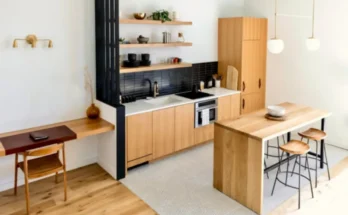
Do you want a snug living room that feels alive? Plants add texture, color, and calm like a soft throw or warm lamp. Keep it small and intentional.
Why plants work in small living rooms
Want warmth without clutter? Plants bring life without taking heavy visual space when placed wisely. Think of them like jewelry for a room.
Choose plants that stay small but look lush
Looking for low-effort greenery? Pick forgiving, compact plants that match your light. They give a lush look without constant fuss.
Great low- to medium-light options
- Snake plant
- ZZ plant
- Pothos
- Peace lily
- Philodendron
- Spider plant
These tolerate lower light and occasional neglect. Example: a ZZ plant in a corner basket lasts for years.
Cute minis for tight spots
Mini jade, small succulents, tiny topiaries, and air plants fit windowsills. They make small clusters feel curated, not cluttered. Think of them as tiny table sculptures.
Trailing plants for softness
Pothos, string of hearts, ivy, and string of pearls add movement. Let vines fall from shelves or hangers to soften corners. A trailing plant is like a green curtain.
Create a cozy plant corner or nook
Need a focal point? Turn an underused corner into a green retreat with layered pieces. It becomes a visual anchor.
Mix heights for depth
Use a floor plant, a stool with a pot, and a trailing plant above. Vary heights to mimic a mini indoor garden. Example: a basketed ZZ, a pothos on a stool, and a hanging string of hearts.
Add soft seating and textiles
Place a compact armchair, a throw, and a side lamp nearby. This makes the corner usable and inviting. It’s like pairing a lamp with a book.
Use vertical space: shelves, walls, and hangers
Want floor space free? Go up with shelves, wall planters, and hanging baskets. Vertical greenery keeps the room open.
Shelves and bookcases
Tuck small plants among books and ceramics for a lived-in look. Let one trailing plant spill down for softness. Rotate plants seasonally to refresh the display.
Wall‑mounted planters and pockets
Mount small planters on blank walls for greenery without floor use. They work like framed art that breathes. Use 2–4 units for balance.
Hanging planters and macramé
Hang 1–3 planters near a window or corner for height and flow. Pothos, ivy, and string of pearls thrive in hanging pots. Hanging plants clear surfaces while adding interest.
Style windowsills and flat surfaces
Want compact displays? Windowsills and trays keep small plants tidy and stylish. They turn everyday surfaces into focal points.
Windowsill groupings
Line sunlight-loving succulents, tiny cacti, or herbs on the sill. Mix pot shapes and heights for visual rhythm. A trailing plant at one end creates depth.
Coffee table trays
Use a tray with 1–3 small plants, a candle, and a book. This keeps the table contained and cozy. Example: a succulent, a mini fern, and a favorite paperback.
Side tables and consoles
Place one medium plant or two minis with a lamp and decor pieces. Limit items to avoid a cluttered feel. Repeating pot textures ties the look together.
Pick plants by light level
Not sure what to choose? Match plants to your room’s light to ensure success. This avoids disappointment.
Bright light (south or west windows)
Choose succulents, cacti, and vining philodendrons. They love direct or strong indirect sun. Example: succulents lined on a sunny sill.
Medium light (east windows or bright shade)
Select pothos, spider plant, peace lily, and snake plant. They tolerate fluctuating daylight and partial sun. A peace lily blooms occasionally indoors here.
Low light (north-facing or few windows)
Pick ZZ plant, snake plant, and some philodendrons. They survive well with indirect or artificial light. Place a ZZ in a shaded corner for a dramatic, low-effort plant.
Lean into texture: baskets, ceramics, and textiles
Want a cozy tactile feel? Combine woven baskets, matte ceramics, and soft fabrics. Textures unify plants with decor.
Use woven baskets and natural materials
Place pots inside seagrass or rattan baskets for warmth. Natural fibers make greenery feel earthy and lived-in. Rotate a thrifted ceramic piece for character.
Pair with soft textiles
Add a chunky throw, linen pillow, or woven rug nearby. Textiles create comfort and frame plant groupings. Think of layers like clothing for the room.
Layer lighting to enhance the mood
Want a warm evening glow? Use layered lighting to highlight plants and create atmosphere. Light shapes how a room feels.
Warm bulbs and lamps
Choose warm-tone bulbs in table and floor lamps near plants. They accent foliage and add depth at night. Soft light makes plants look cozy, not clinical.
Fairy lights and accent lighting
Weave string lights on shelves or around a plant corner for a gentle glow. LEDs are low heat and plant-safe. This adds magic like fireflies in a jar.
Make it feel intentional, not cluttered
How do you keep balance? Edit and repeat elements so the room reads as one whole. Intentional gaps are part of the design.
Group plants in clusters
Cluster 3–5 plants with varied heights for impact. Avoid scattering singles across every surface. A small group reads as a statement.
Repeat pot colors and textures
Use a limited palette like whites, beiges, and one accent color. This creates cohesion and calm. Matching baskets or ceramics ties different areas together.
Simple layout ideas you can copy
Want quick templates? Use these layouts to get started today. They are easy to adapt.
Book-nook corner
Small armchair, side table, floor lamp, and 2–3 plants. Place one plant on the floor, one on the table, and one hanging or on a shelf. It turns reading time into a mini oasis.
Sofa zone
Install a floating shelf above the sofa with a trailing plant. Add a small plant on the side table and a tray on the coffee table. This frames the sofa without crowding it.
Window focus
Line the sill with small plants and hang one in front of the window. Add a medium plant in a basket beside the window on the floor. This creates a layered, light-filled display.
Maintenance tips for busy people
Short on time? Pick low-maintenance species and group plants by watering needs. Simple routines keep them thriving.
Watering and feeding
Water only when the top soil feels dry for most houseplants. Feed lightly in spring and summer with balanced fertilizer. Overwatering is the most common mistake.
Rotate and prune
Rotate pots monthly so plants grow evenly toward the light. Trim yellow or leggy growth to keep shapes neat. A quick prune refreshes the look.
See also: Space Saving Furniture and Decor Ideas for Small Homes
Conclusion
Want a cozy, plant-filled living room that feels effortless? Choose compact, forgiving plants, use vertical space, and layer textures and light. With a few edits and simple routines, your small living room will feel lush and intentional.