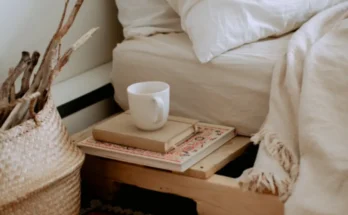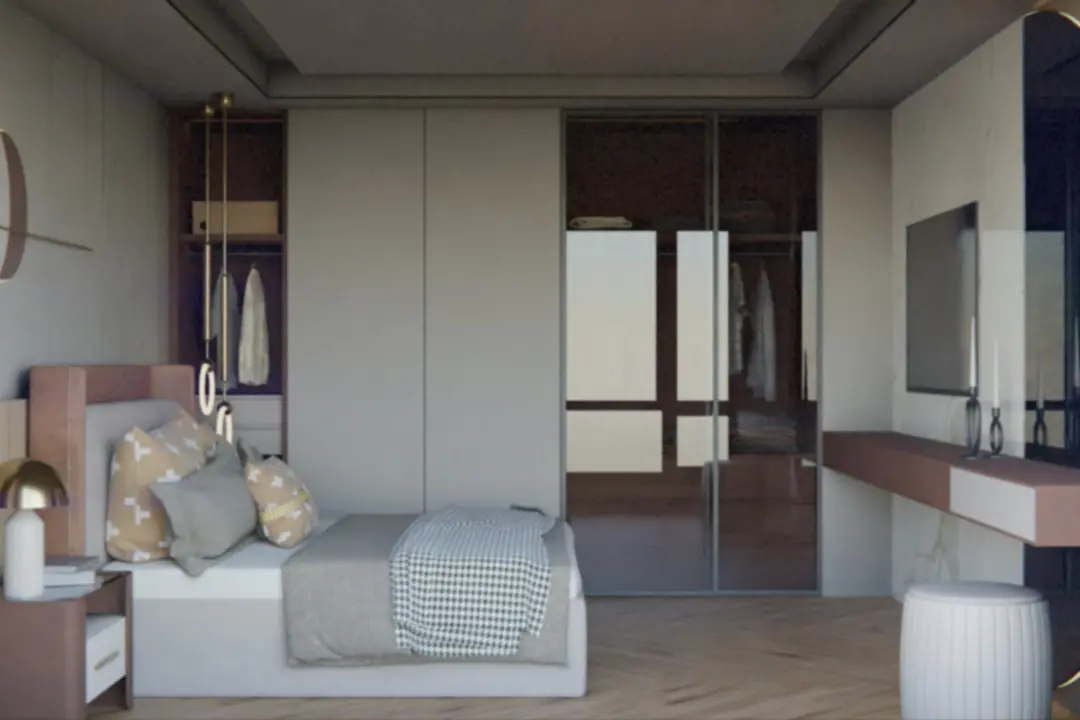
Looking for calm in a tight space? This guide gives usable ideas for couples. Think of your room like a calm gallery. Read on for simple, research-based tips.
Overall minimalist approach for couples
Why strip back to essentials? A pared-down room reduces visual stress. Agree on priorities first. Who cares about storage? Who wants a tech-free zone? This shared plan keeps minimalism fair.
Shared priorities
Have you discussed what matters most? Pick storage, light, or cozy vibes as shared goals. Treat choices like a shared budget. This prevents endless compromise.
Strip to essentials
Keep furniture minimal and purposeful. Think: bed, 1–2 nightstands, wardrobe or dresser. Like a capsule wardrobe, fewer items mean less decision fatigue.
Layout tricks for very small couple bedrooms
Want more floor space instantly? Move the bed against a wall or into a corner. This opens circulation and feels intentional. Use a two-sided headboard to avoid a dorm look.
Anchor the room
Why not place the bed under a window or between built-ins? It creates a designed focal point. The room then feels planned, not cramped.
Low-profile beds and circulation
Choose a platform or low bed. Low furniture makes ceilings feel taller and lighter. Keep one clear path alongside the bed.
Minimalist furniture choices
Do you need big dressers? Often not. Opt for storage beds and narrow nightstands. Floating shelves are a strong alternative.
Platform and storage beds
Select a platform with drawers or a lift-up base. These hide linens and seasonal clothes. Under-bed boxes work if you avoid bulky frames.
Compact nightstands and multifunction items
Use narrow tables or wall-mounted cubes. Or skip nightstands with floating shelves. In studios, consider a sofa bed or Murphy bed for flexibility.
Smart storage that stays minimalist
How do you hide clutter without losing function? Use vertical space and hidden solutions. Keep visible items to a minimum.
Use vertical space
Install shelves above the bed or a slim rail with a shelf. Store extras in labeled boxes. Vertical storage keeps floor area free.
Headboard and bed-focused storage
Choose headboards with shelves or niches for phones and books. This eliminates bulky bedside furniture. One small drawer per person works well as a drop zone.
Hidden clutter control
Keep woven baskets and fabric bins in closets or under furniture. They tuck away pillows and throws neatly. A designated tech drawer tames cables.
Color palettes for minimalist couples’ rooms
Should you paint light or dark? Both work when chosen with care. Light tones expand; dark tones cocoon.
Light neutrals for airiness
White, beige, and pale gray open the room visually. Add warm wood or black accents for contrast. This avoids a flat look.
Soft shared-friendly tones and cozy dark options
Muted lilac, greige, or soft gray feel gender-neutral. Deep navy or charcoal creates a cozy cocoon when furniture stays simple. Balance dark walls with light bedding.
Textures, fabrics, and bedding
Is pattern necessary? No. Texture gives warmth without clutter. Use natural fabrics and restrained layering.
Keep patterns minimal; emphasize texture
Choose solid or subtle-pattern bedding. Layer linen, cotton, and wool for depth. One textured throw is enough.
Couple-friendly bedding setups
Try one shared duvet for simplicity. Or use two thin duvets inside one cover in cold climates. Limit pillows to 2–4 per person.
Curtains and rugs
Use light, full-length curtains to soften the space. Add one simple rug near the open side of the bed. These elements anchor the room quietly.
Lighting ideas for small minimalist couple rooms
How do you save surface space? Wall sconces and pendant lights free nightstands. Combine layered lighting for both function and mood.
Free the nightstands
Install plug-in or hardwired sconces beside the bed. They read better than table lamps here. Tuck cords neatly.
Layered but simple lighting
Use a soft overhead fixture plus bedside reading lights. Add a small LED strip for gentle ambiance. Warm bulbs feel restful.
Decor & art: calm, not bare
Must a minimalist room be sterile? No. Use one or two strong pieces instead. A single large artwork keeps focus without clutter.
Functional decor
Hang a simple full-length mirror to enlarge the space. Display one meaningful photo and a book, not a dozen frames. Treat objects like curated museum pieces.
Plants in moderation
Choose one medium plant or two small ones on a shelf. Plants add life without crowding. Pick low-maintenance species for busy couples.
Making it feel romantic and shared, without losing minimalism
Can minimalism feel intimate? Yes. Balance soft textiles with crisp furniture. Small touches make a big difference.
Subtle romantic touches
Use a low warm table lamp or candle-style LED for evenings. Add a calming scent like lavender via a minimalist diffuser. Keep visual items minimal.
Personal but edited
Display one to three meaningful shared items only. Think wedding photo, travel souvenir, or a favorite book. This keeps the story visible and the room calm.
Studio or 3-in-1 spaces for couples
Living in a studio? Zone the space clearly. Use furniture and textiles to define areas.
Zone with furniture and textiles
Place a low storage unit to separate sleeping and living zones. Use a rug or curtain rail for privacy. A curtain around the bed creates a cozy cocoon.
Dual-purpose furniture
Choose a sofa bed, daybed, or Murphy bed to save room. Add a fold-down desk near the bed for working. Multiuse pieces reduce clutter.
Color zoning
Keep the sleeping area muted and calm. Make the living side a bit more expressive. A shared neutral base keeps the whole space cohesive.
Minimalist habits that keep it peaceful
How do you keep the room tidy long-term? Build tiny daily habits. These keep minimalism working for both partners.
Simple routines
Try a nightly 3–5 minute reset. Put devices in one tray and close the wardrobe. Small steps keep the space ready for morning.
One-in, one-out rule
Replace one item when you add another. It prevents slow clutter buildup. Treat clothes like a shared budget.
Dedicated tech spot
Use one drawer or tray for chargers and watches. Tidy cables with a small organizer. This keeps surfaces visually calm.
Want a calm, minimalist bedroom you both enjoy? Start by agreeing on shared goals. Choose low furniture, clever storage, and a simple palette. Keep a few meaningful items, not dozens. Small routines preserve the peace.
For more inspiration on making the most of a compact space, see also: DIY Wall Decor Ideas for Small Bedrooms.