Low Budget Kids’ Room Interior Design in Indian Style: Smart, Colorful Ideas That Grow With Your Child
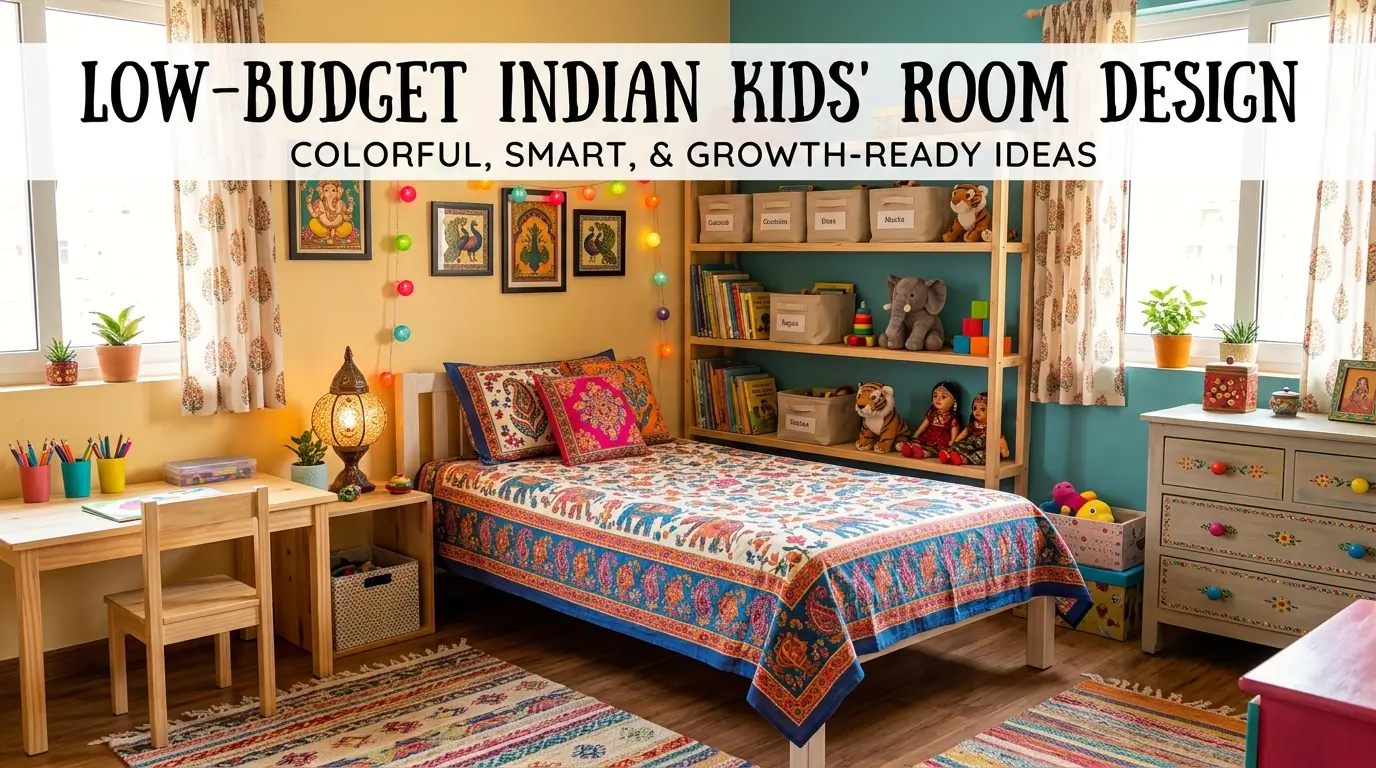
Designing a kids’ room on a budget can feel like a balancing act you want it to look bright and “special,” but it also needs to be practical, easy to clean, and flexible enough to keep up with a growing child. Indian-style interiors are actually perfect for this because they’re naturally color-forward, pattern-friendly, and built around clever storage, multipurpose furniture, and handcrafted details that don’t have to cost a lot. If you’re planning a low budget kids’ room interior design in Indian style, the key is to focus on high-impact changes (color, textiles, wall décor) while keeping big-ticket items (beds, wardrobes) simple and durable. Below are practical, budget-friendly ideas to bring an Indian aesthetic into your child’s room without turning it into a cluttered space that’s hard to maintain.
Start With a Simple Base: Light Walls + One “Indian Pop” Area
Paint is one of the cheapest transformations you can make, and it sets the tone for everything that follows. To keep the room feeling larger and brighter, start with light, warm neutrals think off-white, ivory, pale sand, or a very soft pastel. This makes it easier to add Indian-style color through accents instead of repainting constantly as your child’s tastes change. Then, choose one feature area to add the “Indian pop.” Instead of painting the entire room in bold shades, try one accent wall in a rich but kid-friendly color like peacock blue, turmeric yellow, terracotta, or a muted rani pink. If paint feels risky or you’re renting, you can create the same effect with fabric hangings, removable decals, or a large DIY mural-style chart paper panel.
Create an Easy Indian Accent Wall (Without Expensive Wallpaper)
Indian-style rooms often shine through pattern block prints, geometric motifs, florals, arches, and traditional borders. Wallpaper can be expensive, but you can recreate a similar vibe with simple DIY tricks. One of the most budget-friendly options is a stencil pattern on a single wall jaali-inspired shapes, paisleys, or a repetitive border near the ceiling. If you don’t want to paint, use washi tape to create geometric patterns or borders. Another low-cost idea is a “mini gallery wall” using Indian elements: framed alphabet art in Devanagari, colorful folk-art prints (Madhubani-inspired linework is easy to DIY), or animal illustrations with Indian motifs like elephants, peacocks, and tigers. Keep the frames uniform (even simple black or wooden) to make it look cohesive.
Choose Floor Seating and Low Furniture for a Warm Indian Feel
A very Indian way to make a kids’ room feel cozy is to create a floor seating corner. This is budget-friendly and practical for reading, drawing, and play. Add a dhurrie-style rug (or a cotton rug with a kilim look), then layer on a couple of bright cushion covers think ikat, ajrakh-inspired prints, or simple stripes. If you can find a small low table (even a basic stool or repurposed crate), it becomes a multipurpose station for homework and crafts. The advantage here is flexibility: floor seating can be rearranged instantly, it’s safer for younger kids, and it gives the room a relaxed, Indian-living-room warmth.
Use Indian Textiles for Big Impact: Curtains, Bedsheets, Cushion Covers
If you want maximum “Indian style” for minimum money, put your budget into textiles. Curtains, bedsheets, and cushion covers instantly change the feel of a room, and they’re easy to swap out. Look for cotton prints that feel Indian without being too loud: block print-inspired florals, small bootis, chevrons, or ikat patterns in 2–3 coordinated colors. For a low budget kids’ room interior design, it’s better to pick one hero pattern and keep everything else solid. For example: a bold printed bedsheet with plain curtains, or printed curtains with a simple bedspread. This prevents the room from looking messy, and it also makes future updates cheaper because you only replace one thing at a time.
Make Storage Look Like Décor (So the Room Stays Tidy)
Kids’ rooms get chaotic fast, and Indian-style design can sometimes turn into visual overload if you don’t control the clutter. The solution is simple: give every category a “home,” and make that storage look intentional. Use stackable plastic bins inside a cupboard for toys, then bring Indian style in through labels, fabric covers, or one decorative trunk-style box. Woven baskets are great for soft toys and books and can look very natural with Indian interiors. You can also use cloth “potli” bags or hanging organizers on the back of the door for art supplies and small items. If you want something that feels traditionally Indian, consider a wooden crate painted in bright colors as a toy box functional, sturdy, and visually cheerful.
Add a Traditional Touch With Simple, Safe Décor
Indian interiors often include handcrafted items, but in a kids’ room you want safe, lightweight décor that won’t break easily. A few budget-friendly options: a fabric toran over a window or shelf, a small bunting made from leftover printed cloth, or a simple wall hanging with tassels. You can also use framed kids’ art as the primary décor and add a thin “Indian border” around the frames using tape or paint. For lighting, avoid anything fragile and go for warm-white bulbs to make colors look softer and more inviting. If you want a festive look, add fairy lights around a headboard area or reading corner easy, inexpensive, and very kid-approved.
Create a Study Corner That Doesn’t Look Like a Classroom
A low budget kids’ room interior design should still include a dedicated study spot, especially as children grow. The trick is to make it feel friendly and integrated into the design. Choose a simple desk and chair, then style the wall above with a pinboard or magnetic board. You can cover a pinboard with a bright Indian cotton fabric to instantly tie it to the room theme. Add a small shelf above for books and keep supplies in labeled containers. If space is tight, consider a foldable wall-mounted table or a desk at the end of the bed. The Indian style can come through in the accessories pen holders wrapped in jute, a patterned lamp shade, or a small printed mat under the laptop/books.
Try a Theme That Works With Indian Style (Without Looking Too “Cartoon”)
Themes can get expensive when they rely on branded décor, so use themes that are easy to DIY and align naturally with Indian aesthetics. Great options include “Indian animals” (elephants, peacocks, tigers), “monsoon garden” (greens, blues, leaf motifs), “royal palace” (arches, gold accents in small amounts), or “folk art” (simple linework, bright blocks of color). Keep the theme subtle one wall, one rug, and a few prints so it stays stylish as your child grows. This is especially useful if you’re trying to avoid redesigning every few years.
Upcycle and DIY: The Most Budget-Friendly Indian Design Trick
Indian homes have always been good at making the most of what’s available, and that mindset is your best friend here. Repaint an old bedside table in a bright color and swap the knobs. Turn cardboard boxes into drawer organizers using leftover fabric. Use old dupattas as curtain panels or as a canopy-style drape (securely installed) for a reading nook. Create wall art by framing colorful gift wrap or fabric scraps. Even small upgrades like adding a printed runner on a shelf or changing cushion covers can make a room feel “designed” without spending much.
Keep It Comfortable: Ventilation, Easy Cleaning, and Kid-Safe Choices
A beautiful kids’ room still needs to function day-to-day, especially in Indian weather conditions. Choose washable cotton fabrics where possible, avoid heavy dust-catching décor, and keep a clear path for movement. Rugs should be easy to shake out or wash. Furniture should have rounded edges or corner guards if the child is younger. Use wall hooks at a child-friendly height to encourage tidiness. Indian style doesn’t have to mean heavy décor it can be light, breathable, and practical, with color and pattern used strategically rather than everywhere.
A Simple Budget Plan You Can Actually Follow
If you want a clear, low-stress approach, try this order of priorities: first, declutter and plan storage; second, paint or create one accent wall; third, update textiles (curtains/bedspread/cushions); fourth, add lighting and wall décor; finally, refine with small Indian-style touches like a toran, floor cushions, or folk-art prints. This way, the room improves step-by-step, and you can pause anytime without it looking half-finished.
Bring Indian Style to Life Without Overspending
Low budget kids’ room interior design in Indian style is really about choosing the right “hero” elements: one strong wall idea, a few bold textiles, and smart storage that keeps the space calm and usable. With a simple base and a few carefully chosen Indian accents prints, colors, handmade touches you can create a room that feels joyful, culturally familiar, and practical for everyday life. If you tell me your child’s age, room size, and whether it’s a rented home, I can suggest a specific color palette and a shopping list-style plan that fits your budget.