Cozy Ergonomic Reading Corner Ideas for Apartments
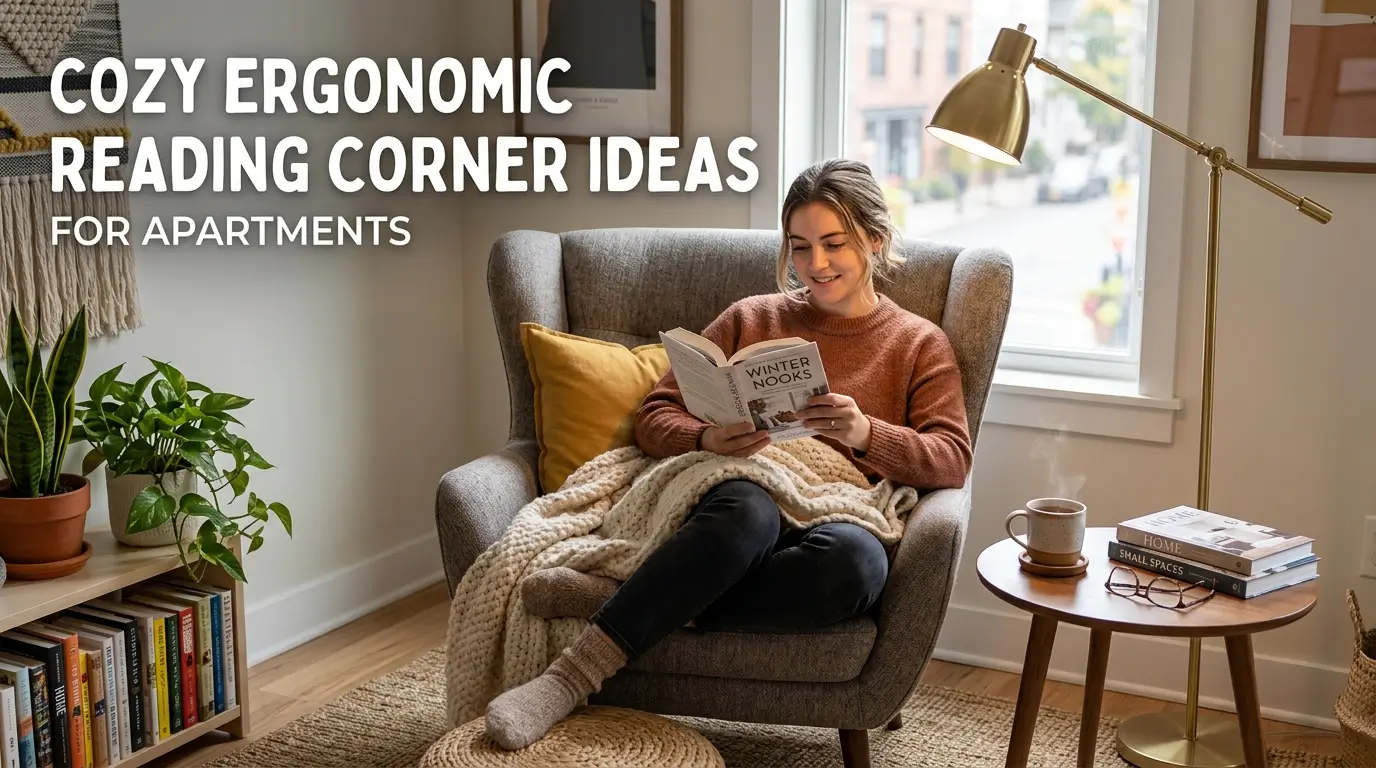
Apartments are great for so many reasons walkability, convenience, and layouts that can feel efficient and easy to live in. But that same efficiency can make it hard to carve out one thing many of us really want: a dedicated place to sit down, get comfortable, and read for more than ten minutes without shifting around, losing the light, or dealing with neck and back strain. A cozy reading corner shouldn’t be an afterthought (a chair shoved next to a lamp). With a few smart choices, you can build a small-footprint nook that supports your posture, protects your eyes, and still looks like it belongs in your space. If you’re looking for practical, apartment-friendly inspiration, the following reading corner ideas combine comfort, ergonomics, and style without needing an extra room.
What Makes a Reading Corner “Ergonomic” (and Why It Matters)
Cozy is the hook, but ergonomics is what makes the corner usable night after night. An ergonomic reading setup supports your lower back, lets your feet rest comfortably, keeps your book or e-reader at a neck-friendly height, and provides lighting that reduces eye strain. In apartments where you may be reading in the same space you work, eat, and relax getting the support right makes the corner feel like a true destination rather than just another place to sit.
12 Cozy Ergonomic Reading Corner Ideas for Apartments
1. The Window-Nook Setup (With Glare Control)
If you have a window with even a small pocket of floor space beside it, you have prime reading real estate. Natural light is ideal during the day, but the ergonomic win comes from controlling glare and maintaining a comfortable head position. Pair a supportive chair with an adjustable shade (light-filtering is often better than sheer) so you’re not craning your neck away from harsh brightness. Add a small side table at elbow height so you’re not twisting to reach your drink or bookmarks.
2. The “Small Chair, Big Support” Corner
A lot of apartment chairs look great but don’t support long reading sessions. The fix isn’t always buying a giant recliner it’s choosing a compact chair with the right geometry and adding targeted support. Look for a seat that lets your knees sit roughly level with (or slightly below) your hips, then add a small lumbar pillow to maintain the natural curve of your lower back. Finish with a footrest or ottoman so your legs can relax without sliding forward.
3. The Wall-Sconce Reading Spot (No Floor Space Lost)
Floor lamps are common, but in tight layouts they can crowd walkways and become one more thing to bump into. A plug-in wall sconce gives you light exactly where you need it and frees up floor area for a chair and footrest. Choose an adjustable arm so you can place the light over your shoulder and onto the page, minimizing shadows. This is one of the simplest ways to make a corner feel intentional like it was designed to be a reading zone.
4. The “Book-at-Eye-Level” Solution (Neck-Friendly Reading)
One of the biggest ergonomic issues with reading is neck flexion looking down for long periods. The apartment-friendly fix: a lap desk or a book stand that angles pages upward. Use it on your lap, on a small side table, or even on an ottoman turned into a surface. If you read on a tablet, a stand plus a small Bluetooth page-turner-style setup (or just a lightweight case) can keep your head more neutral. The result is less tension in your neck and shoulders without changing the cozy vibe.
5. The Corner With a “Layered Softness” System
Cozy isn’t just one blanket it’s layers that let you adjust. Start with a breathable throw for baseline comfort, then add a warmer knit or fleece for colder months. Place a small cushion behind your upper back or under one elbow to reduce shoulder elevation (that subtle shrugging posture that happens when your arms don’t have support). The key is to create softness that improves posture, not softness that collapses it.
6. The Ottoman-as-Ergonomic-Anchor Setup
A footrest is one of the most underrated ergonomic upgrades for reading, especially if your chair seat is a bit high. An ottoman or even a firm pouf can bring your feet into a stable, relaxed position and reduce pressure on your lower back. For apartments, choose one with hidden storage so it also holds extra throws, an eye mask, or your “currently reading” stack. This turns a small corner into a functional micro-lounge.
7. The “Floating Shelf Library” Reading Corner
If you don’t have room for a full bookcase, use vertical space. Install a few narrow shelves beside or above your chair and keep your most-used books within easy reach. Ergonomically, the benefit is that you’re not repeatedly getting up or bending into low storage, which can disrupt posture and comfort. Visually, it frames the nook and makes it feel like a purposeful retreat rather than a random chair placement.
8. The Rug-Defined Quiet Zone (Even in a Studio)
In studios and open-plan apartments, defining a reading corner is half the battle. A rug anchors the space and improves comfort by reducing echo and adding warmth underfoot. Choose a rug size that allows at least the front legs of the chair and ottoman to sit on it this keeps the setup stable and visually cohesive. If you like to read barefoot, a softer pile can make the corner feel instantly more inviting.
9. The “Two-Light” Method for Eye Comfort
A single bright lamp can create harsh contrast great for visibility, not always great for comfort. Use two layers of light: a focused reading light (task lighting) and a softer ambient light nearby (like a warm table lamp or indirect LED). The ergonomic payoff is reduced squinting and less eye fatigue, especially at night. Keep bulbs in a warm-to-neutral range so the corner feels calm rather than clinical.
10. The Minimalist Corner for Distraction-Free Reading
Some corners feel cozy because they’re full; others feel cozy because they’re calm. If you’re easily distracted, keep the reading nook intentionally minimal: chair, footrest, light, and a small surface for a drink. Add one sensory “comfort cue,” like a textured throw or a single cushion, instead of five competing patterns. This helps your brain associate the corner with quiet focus perfect for apartments where life happens in every room.
11. The “Daybed Edge” Reading Perch (With Back Support)
If you don’t have room for a chair, the edge of a daybed (or even a firm sofa) can become a reading corner if you give it structure. Use a supportive back pillow (or a wedge pillow) so you’re not slumping into the cushions, and add a footrest or a firm pillow under your knees if you’re sitting with legs up. This keeps your spine more neutral and prevents that “curled C-shape” posture that feels cozy at first but uncomfortable later.
12. The Micro-Corner for Tiny Apartments (18 Inches Counts)
If all you have is a sliver of space, build vertically and choose compact pieces. A narrow accent chair or armless slipper chair can fit into surprisingly tight corners, especially paired with a wall-mounted light and a slim floating shelf as a side table. Add a lumbar cushion and a small footstool, and you’ve created an ergonomic reading spot with a footprint that feels almost impossible yet reads like a real nook. The secret is choosing pieces that support your body, not just the decor.
Finishing Touches That Make It Feel Truly Cozy (Without Wrecking Your Posture)
A reading corner is only as good as how often you use it. Keep a dedicated throw and pillow in the corner so you’re not constantly “setting up.” Add a small basket for books and a timer or analog clock if you like reading in focused blocks. If noise is an issue, consider a soft textile element nearby (curtains, rug, or fabric wall hanging) to help dampen sound and make the corner feel more hushed and private.
Create a Reading Corner You’ll Actually Want to Use
A cozy apartment reading corner doesn’t require a spare room or expensive furniture. The best setups are the ones that respect your body: back supported, feet comfortable, book positioned to reduce neck strain, and lighting that keeps your eyes relaxed. Once you get the ergonomics right, the cozy part is easy: a warm texture, a little softness, and a corner that feels like it’s waiting for you at the end of the day.