Nature Mimicking Texture Ideas for Living Room Walls
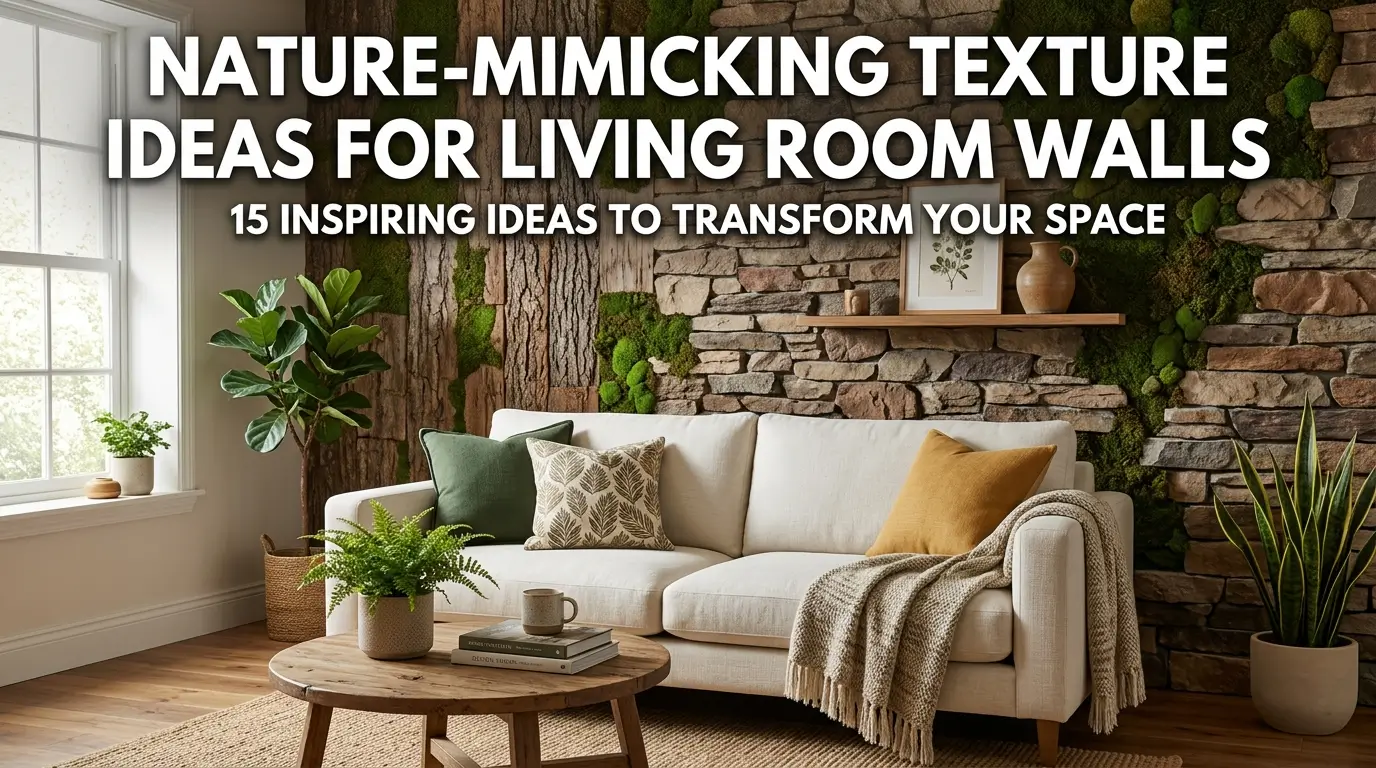
There is a reason that the most instinctively calming environments that most people can recall are almost never interiors. They are forests, riversides, stone hillsides, open fields, and coastlines — places where the surfaces around you are irregular, layered, and alive in a way that flat painted walls in a residential apartment are fundamentally not. The human nervous system evolved over hundreds of thousands of years in direct contact with the textures of the natural world, and the smoothness and uniformity of modern interior surfaces — plaster walls, laminate floors, glass partitions — represent a very recent departure from the sensory environment that the body and the brain are actually calibrated to inhabit.
This is the underlying logic of nature-mimicking wall texture as a design approach. It is not simply an aesthetic choice made because stone-effect walls or organic plaster finishes are fashionable this year. It is a design response to something genuine — the way that textured, irregular, naturally derived surfaces in a living room create a quality of calm and groundedness that smooth, uniform walls consistently fail to deliver. A wall that looks and feels like it has been shaped by something other than a trowel and a bucket of emulsion changes the emotional register of the room it is in, and in a living room where the primary purpose is rest, connection, and recovery from the demands of the day, that change is worth pursuing.
The good news for anyone living in a small Indian apartment is that nature-mimicking wall textures are more accessible, more affordable, and more renter-adaptable than they have ever been. The range of materials, techniques, and products available to achieve organic, natural-looking wall surfaces without professional intervention and without permanent structural changes has expanded significantly over the last few years, making this one of the most achievable high-impact design upgrades available to anyone who wants their living room walls to do more than simply provide a background.
Nature Mimicking Texture Ideas for Living Room Walls
1. Lime Wash Paint for a Stone and Mineral Effect
Lime wash is one of the oldest wall finishing techniques in human history and one that produces a result that no other paint or finish can replicate. Applied in thin, irregular layers and worked into the wall surface with a wide brush using crossing strokes, lime wash creates a depth and translucency that makes the wall appear to glow from within — a quality directly analogous to the way natural stone and mineral surfaces catch and reflect light differently from different angles.
The characteristic of lime wash that makes it so effective at mimicking natural surfaces is its inherent irregularity. No two areas of a lime-washed wall look exactly the same because the material is applied by hand in overlapping layers that build up differently across the surface depending on the pressure and angle of the brush. The result is a wall that has the visual complexity of aged stone or weathered plaster — surfaces that are interesting to look at because they reward closer inspection with more detail rather than less.
In an Indian living room, lime wash in warm ochre, terracotta, clay white, or dusty sage creates a surface that responds beautifully to the quality of Indian light — picking up the warmth of afternoon sun through a west-facing window, shifting in tone as the day progresses, and creating a completely different atmosphere under warm artificial light in the evening. It is one of the few wall treatments that improves a room across every lighting condition rather than looking good in one and flat in another. Lime wash paint is available from specialty paint brands and can be applied over existing paint surfaces with basic preparation, making it a feasible DIY project that doesn’t require professional plastering skills.
2. Microtopping and Venetian Plaster for a River Stone Effect
Venetian plaster is a technique that has been used in Italian architecture for centuries to create wall surfaces that mimic the polished depth and luminosity of marble and river stone. Applied with a steel trowel in multiple thin layers and burnished between applications, it creates a surface that has a subtle sheen, a visible depth, and a complexity of tone that no flat paint can approach.
The appeal of Venetian plaster in a nature-mimicking context is its direct visual relationship to polished stone surfaces — the way light moves across it, the color variations within a single application, and the smooth but not sterile quality of the finished surface all evoke the river-worn stones and polished rock faces that are among the most universally calming natural textures available. In a living room, a single Venetian plastered feature wall behind the sofa creates an anchor of material richness that transforms the entire room’s character without requiring any furniture change or layout adjustment.
Microtopping is a more contemporary and somewhat more accessible version of the same idea — a very thin cement-based overlay applied over existing surfaces that produces a smooth, slightly irregular finish reminiscent of polished concrete, weathered stone, or dried river clay. It can be applied in warm greys, taupes, creams, and earthy browns that each evoke a different natural stone or mineral surface. In an Indian apartment context, microtopping as a feature wall finish creates one of the most sophisticated and architecturally considered natural textures available at a cost significantly below that of actual stone cladding.
3. Natural Clay and Mud Plaster Finishes
Clay plaster is perhaps the most directly nature-derived wall finish available because it is, in the most literal sense, the earth itself applied to a wall surface. Made from natural clay, sand, and fibrous materials like straw or hemp, clay plaster creates a surface that has the organic warmth, the matte depth, and the subtle irregularity of a hand-rendered natural wall — which is exactly what it is.
In the Indian context, clay and mud wall finishes have a deep cultural resonance that goes beyond their contemporary design appeal. The earthen walls of traditional Indian vernacular architecture — the mud homes of rural Rajasthan, the lime-plastered walls of Kerala’s heritage homes, the cow-dung finished surfaces of village interiors across the country — represent a material tradition of wall finishing that is genuinely ancient and genuinely local. A contemporary Indian living room with a clay-plastered feature wall is not mimicking a foreign design reference. It is reconnecting with a material tradition that belongs to this soil in the most direct possible sense.
Clay plaster applied with a trowel or a wide brush and left with visible tool marks and surface irregularities creates a texture that is impossible to replicate mechanically because its appeal lies precisely in the evidence of the hand that made it. The warm earth tones of natural clay — the reds, ochres, browns, and creams that vary with the mineral content of the source clay — introduce a color depth and warmth to a living room wall that no manufactured paint product achieves with the same authenticity.
4. Textured Paint Techniques for Bark and Wood Grain Effects
The surface of tree bark is one of the most texturally rich and visually complex natural surfaces available, with its deep fissures, irregular ridges, and layered patterns of growth and weathering creating a surface that the eye finds endlessly interesting without ever feeling chaotic or overwhelming. Replicating this quality on a living room wall is achievable through textured paint techniques that build up surface relief using thick paint, fillers, and application tools that create the vertical directionality and irregular depth of natural wood and bark.
A dry brush technique applied with a coarse bristle brush over a base layer of textured paint creates vertical striations that evoke the grain of weathered timber. Crumpled paper or plastic pressed into wet textured paint before it dries creates irregular surface patterns that suggest the cracked, layered surface of old bark. A sponge dabbed over a wet textured base creates a cellular, organic pattern that evokes the cross-section of wood or the surface of lichen-covered stone.
These techniques require very little in the way of specialized materials or professional skill. Textured wall paint and filler are available from any hardware store, and the application tools are household items rather than specialist equipment. The results, when executed with patience and an understanding of the natural surface being referenced, can be remarkably convincing and create a feature wall that has genuine visual depth and organic character at a cost that is accessible at virtually any budget level.
5. Stone Cladding Panels and 3D Stone Effect Tiles
For a more structural and permanent approach to nature-mimicking wall texture, thin stone cladding panels and 3D stone-effect tiles create the visual and tactile quality of natural stone on a living room wall without the weight, the cost, or the structural requirements of full stone masonry. Natural stone veneer panels — very thin slices of actual stone bonded to a lightweight backing — bring the genuine material authenticity of slate, sandstone, quartzite, and river stone to an interior wall at a fraction of the cost and weight of conventional stone installation.
In an Indian living room, a stone-clad feature wall behind the television or behind the main seating area creates an immediate sense of geological weight and permanence that dramatically changes the character of the space. The irregular surface of natural stone scatters light rather than reflecting it uniformly, creating a constantly shifting play of highlights and shadows across the wall surface that makes the room feel more dynamic and more alive at every time of day and every lighting condition.
Manufactured 3D stone-effect panels made from gypsum, cement, or high-density polyurethane are a more affordable alternative that achieves similar visual results without the cost and installation complexity of natural stone veneer. Available in patterns that replicate fieldstone, stacked slate, river pebble, and rough-hewn sandstone, these panels can be painted in any stone-appropriate color and installed with standard adhesive over existing wall surfaces, making them a feasible option for renters when chosen in a lightweight, adhesive-mounted format.
6. Wabi-Sabi Inspired Crackle and Aged Plaster Effects
The Japanese aesthetic philosophy of wabi-sabi — the appreciation of beauty in imperfection, incompleteness, and the natural aging of materials — is one of the most directly relevant design philosophies for nature-mimicking wall textures because it celebrates exactly the qualities that natural surfaces possess and manufactured surfaces consistently try to eliminate. Cracked plaster, peeling paint, weathered surfaces, and the marks of time and use are the raw material of wabi-sabi aesthetics, and their presence in a contemporary living room creates a quality of organic authenticity that no pristine, perfect surface can replicate.
Crackle medium applied over a base coat and topped with a contrasting color creates the effect of old paint or dried earth cracking in the heat — a surface that evokes dried river beds, aged terracotta, and the weathered walls of old Indian buildings in a way that feels both nostalgic and contemporary. Intentionally imperfect plaster applications that leave trowel marks, ridges, and areas of varying thickness visible create a surface with the honest, handmade quality of traditional vernacular architecture without requiring the skills of a professional plasterer to achieve.
In a small Indian living room, a single wall treated with a wabi-sabi inspired aged plaster or crackle finish creates a focal point of material richness and organic complexity that draws the eye without overwhelming the space. The other three walls, painted in a flat warm neutral that coordinates with the tones of the textured wall, allow the feature wall to do its work without the room feeling overstimulated or visually chaotic.
7. Grasscloth and Natural Fiber Wallcoverings
Grasscloth wallcovering is woven from natural plant fibers — seagrass, jute, sisal, hemp, and bamboo grass — and applied to walls in the same way as conventional wallpaper. Its surface has the organic texture of woven natural material — visible fibers, subtle color variation across the weave, and a matte warmth that no painted surface can replicate — making it one of the most effective and most accessible ways to bring a nature-mimicking texture to a living room wall.
The specific texture of grasscloth evokes the woven grass surfaces of natural landscapes — reed beds, dried grasses, woven bamboo screens, and the fiber textures of traditional Indian basketry and matting. In a living room, grasscloth on a feature wall or across all four walls creates an enveloping quality of natural warmth that makes the room feel insulated, grounded, and calm in a way that resonates deeply with the biophilic instincts that nature-mimicking design is trying to address.
In the Indian market, grasscloth and natural fiber wallcoverings are available from specialty wallpaper suppliers in major cities and through online platforms at a range of price points. Jute and seagrass wallcoverings are particularly well suited to the Indian context because they are locally produced, naturally suited to the climate, and tonally consistent with the warm earthy palette that works best in Indian living rooms. Peel-and-stick versions of natural fiber wallcovering are increasingly available and make the application feasible for renters who cannot commit to permanent wallpaper installation.
8. Exposed Brick Effect Wallpaper and Panels
The exposed brick wall is one of the most universally appealing nature-mimicking interior textures because brick itself is a fired earth material — terracotta in its most architectural form — and an exposed brick wall brings the earthy warmth, the irregular surface, and the handmade quality of that material directly into the living room. In older Indian buildings where brick construction is common, exposing the original brickwork under layers of plaster is a renovation decision that requires structural assessment and professional intervention. In most contemporary Indian apartments, achieving the same effect requires either realistic brick-effect wallpaper or lightweight brick-effect panel systems that replicate the material qualities of genuine exposed brick.
High-quality brick-effect wallpapers available in the Indian market today are significantly more convincing than earlier generations of the product because they incorporate texture as well as pattern — the wallpaper surface has a relief that casts real shadows and catches real light rather than simply printing the visual pattern of brickwork on a flat surface. Combined with a warm burnt orange or aged red color that evokes traditional Indian brick rather than the cooler tones of European industrial brick, brick-effect wallpaper creates a living room feature wall that feels genuinely warm and materially considered.
Thin brick-slip panels — actual thin sections of real fired brick bonded to a backing panel — are the most authentic version of this idea and available from tile and stone suppliers across India at accessible prices. Applied to a single feature wall with standard tile adhesive, they create a genuinely textured, genuinely earthen surface that has all the warmth and organic character of exposed brickwork at a fraction of the structural complexity.
9. Moss Walls and Living Wall Panels
A moss wall is the most literally nature-mimicking wall treatment available because it is nature — preserved or living plant material installed directly onto a wall surface to create a living, breathing texture that no paint or plaster technique can replicate. Preserved moss walls use real moss that has been treated to maintain its color, texture, and appearance without requiring water, soil, or light — making them suitable for interior walls including those without natural light access.
In a living room, a preserved moss panel or a full moss feature wall creates an immediate and dramatic quality of organic presence that changes the atmosphere of the room in a way that is difficult to articulate but immediately felt. The irregular, three-dimensional surface of moss at close range is one of the most texturally rich natural surfaces available — soft, varied, and endlessly detailed in a way that rewards close attention. At the scale of an entire wall it creates a backdrop of living green that makes the living room feel like an interior garden rather than a residential box.
In Indian cities, preserved moss walls are available from specialty plant and design studios at a range of scales and price points. Small moss panels mounted as wall art are the most accessible entry point, creating a nature-mimicking accent that introduces the quality of the material without the investment of a full wall installation. Living plant walls with soil and irrigation systems require more maintenance and investment but deliver the additional benefits of air purification and genuine biological activity that preserved moss cannot provide.
Choosing the Right Nature Mimicking Texture for Your Living Room
The most important consideration when choosing a nature-mimicking wall texture for a living room is the specific quality of nature that you want the room to evoke. Lime wash and Venetian plaster evoke mineral surfaces — stone, rock, and geological formations. Clay plaster and crackle finishes evoke the earth — soil, dried river beds, and aged earthen architecture. Grasscloth and natural fiber wallcoverings evoke the woven textures of plant material — grasses, reeds, and fibrous natural surfaces. Stone cladding and brick-effect panels evoke the built edge of nature — the places where stone and earth meet human construction. Moss walls and living panels evoke the living, growing surface of the forest floor.
Each of these references creates a different emotional atmosphere in the living room, and the choice between them should be guided by what kind of natural environment makes you feel most calm, most grounded, and most restored. That is, after all, the point of nature-mimicking design in the first place — not to create a room that looks like a photograph of a natural landscape but to create a room that makes the body and the brain feel some of what they feel in the presence of the natural world.
A Living Room That Feels Like It Belongs to the Earth
The living room wall is the largest surface in the most used room in the home, and what it is made of and what it looks like has a more direct and more constant impact on how the room feels than almost any other single design decision. A wall that mimics the textures of the natural world — its stone, its clay, its fiber, its moss, its mineral depth — brings something into the living room that smooth, painted plaster never can. It brings the quality of being somewhere that the human body recognizes and trusts, somewhere that the nervous system knows how to respond to, somewhere that feels, in the deepest and most instinctive sense of the word, like home.