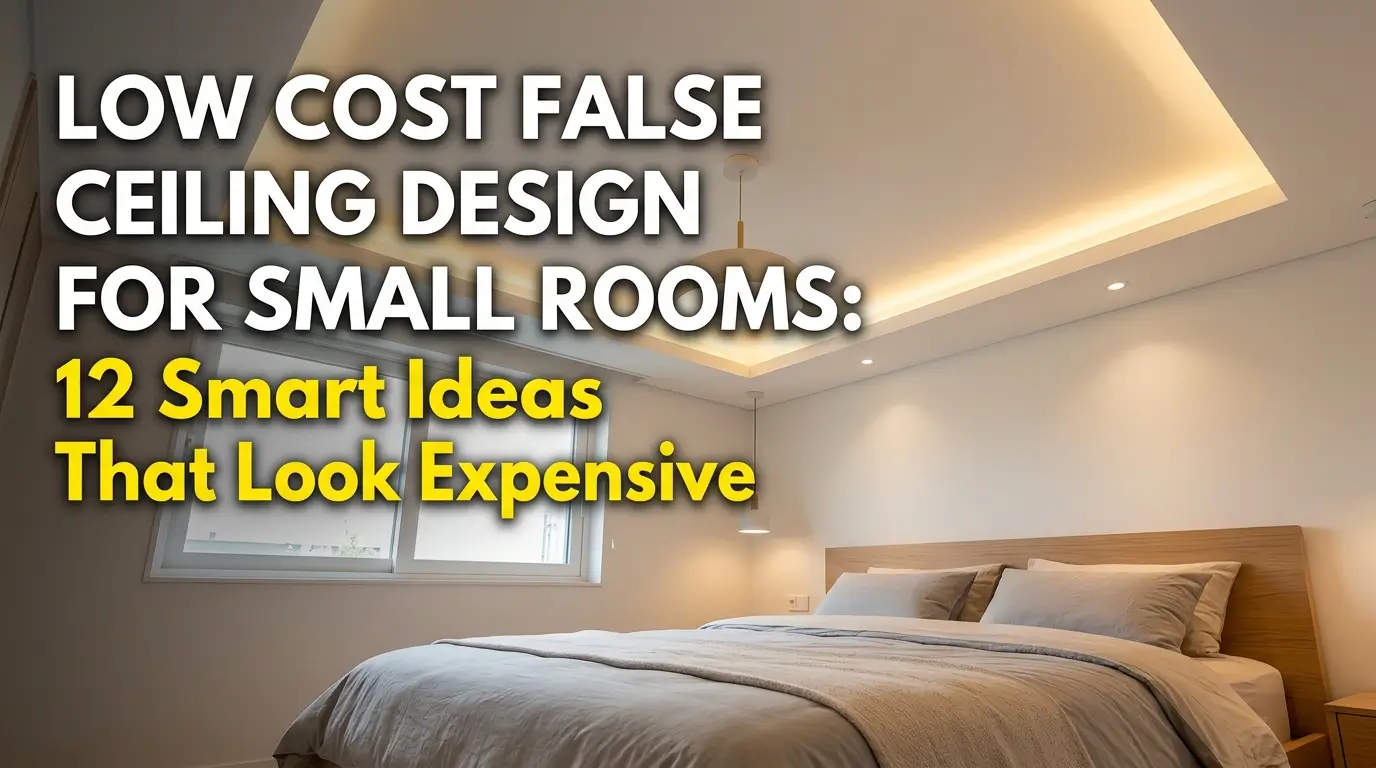
Low Cost False Ceiling Design for Small Rooms: 12 Smart Ideas That Look Expensive
Small rooms can be tricky to design. On one hand, you want the space to feel finished and intentional not like a “box” with a light in the center. On the other hand, a full-scale ceiling build can get pricey fast, especially if you start adding layers, curves, or heavy materials. The good news is that you don’t need an elaborate ceiling to get a high-end look. With the right low cost false ceiling design approach, you can hide wiring, improve lighting, and add style without shrinking your room or blowing your budget. Whether you’re working with a bedroom, small living room, compact office, or a tight guest room, these practical false ceiling ideas can help you get the most impact for the least cost.
What Makes a False Ceiling “Low Cost” in a Small Room?
Before jumping into design options, it helps to know where costs usually come from. In most small-room ceiling projects, the budget increases with more framing complexity, more corners and cutouts, premium finishes, and extensive lighting work. Low cost ceilings typically share a few traits: simple geometry, minimal drops, standard boards (gypsum or PVC), limited lighting points, and clean, paint-friendly finishes. If your goal is “looks custom, priced basic,” the biggest win is keeping the design simple and letting lighting do the decorating.
1. Simple Perimeter Drop (Tray Border)
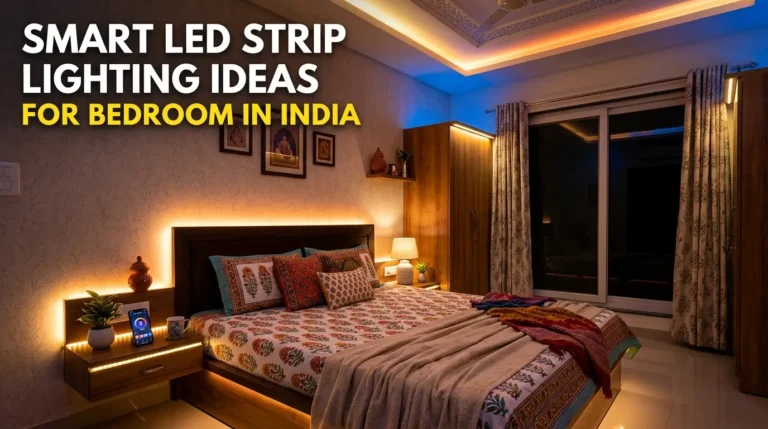
A perimeter drop is one of the most popular low cost false ceiling designs because it looks intentional while keeping material and labor controlled. You keep the central ceiling close to the original height, then drop only a border around the edges by 4–8 inches. This hides wiring, gives you room for LED strip lighting, and adds depth without making the room feel lower. For small rooms, a narrow perimeter border works best too wide and it can visually shrink the space.
2. Single “Floating Panel” Above the Bed or Seating Area
If you don’t want to do the entire ceiling, a floating panel (also called a ceiling island) is a budget-friendly way to add a feature element. The concept is simple: a rectangular gypsum panel is suspended slightly below the main ceiling, typically centered above a bed, sofa, or study desk. You can add two or four recessed lights, or even skip downlights and use a concealed warm LED strip for a soft glow. This is ideal when you want a modern look while keeping the rest of the room straightforward.
3. PVC False Ceiling for the Lowest Material Cost
For homeowners prioritizing cost and speed, PVC ceiling panels are often one of the cheapest and quickest solutions. They’re lightweight, moisture-resistant, and can be installed with minimal mess compared to full gypsum finishing. In small rooms, PVC can work especially well for rental upgrades, kids’ rooms, or spaces where you want a clean finish without ongoing maintenance. The key is choosing a plain or subtle pattern high-gloss heavy prints can make a small room feel busy.
4. Gypsum Board Ceiling with a Clean, Flat Finish
A flat gypsum ceiling is the “quiet luxury” option when done right. It’s not about shapes it’s about a smooth surface, crisp edges, and good paint. This design keeps costs controlled because it avoids extra layers and complex framing, but it still gives you the benefits of a false ceiling: concealed wiring, improved lighting placement, and a cleaner overall look. If you’re trying to keep a small room feeling taller, a flat gypsum ceiling with minimal drop is often the safest choice.
5. Cove Lighting Along One Side Only
Cove lighting looks premium, but full-room coves can increase labor. A low cost alternative for small rooms is to run cove lighting on only one side typically the wall behind the bed or the TV wall so you still get the layered lighting effect without building a full perimeter tray. This works best when paired with a simple flat ceiling, keeping framing minimal and letting the lighting provide the “design.”
6. Two-Step Ceiling (But Keep It Rectangular)
If you like the look of layered ceilings, you can still do a two-step design on a budget just keep it rectangular and aligned with the room shape. Curves, waves, and diagonal edges require more cutting, more finishing time, and more margin for errors. A clean two-step rectangle can look modern and intentional, especially with a thin LED strip between levels. In a small room, keep the second step narrow so the ceiling doesn’t feel heavy.
7. Spotlight Grid Using Surface-Mounted Fixtures (No Cutouts)
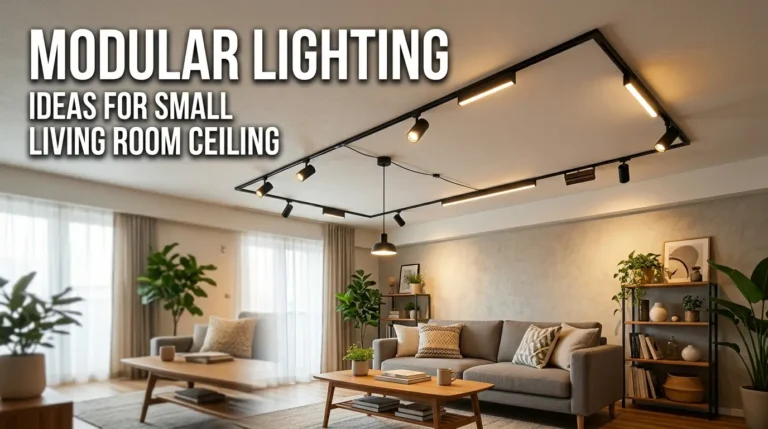
Recessed downlights add cost because they require cutouts, precise placement, and often more coordination with wiring and ceiling depth. A cheaper alternative is using surface-mounted spotlights or track lights with a simple false ceiling or even a clean ceiling repaint. If you still want a false ceiling, go with a flat gypsum panel and mount a compact track fixture this gives you adjustable lighting and a modern look with fewer installation steps.
8. Conceal a Curtain Pelmet Inside the Ceiling Border
In small bedrooms and living rooms, the curtain rod area often looks cluttered. A clever low cost false ceiling idea is to extend a narrow gypsum border along the window wall to hide the curtain track (a simple pelmet detail). It’s a small build with a big visual payoff. You avoid doing the entire ceiling, but you still get that “built-in” finish that makes a room look professionally designed.
9. Minimal Center Drop for a Statement Light
If you want to hang a pendant or chandelier but don’t want to commit to a full ceiling redesign, create a small central drop panel (a square or rectangle) just large enough to frame the light. Add two small spotlights if needed, and keep everything else flat. This option is economical because it uses less material and reduces finishing work, while still giving you a focal point that looks deliberate.
10. Paint-Only Design: Use the Ceiling Shape, Not More Material
If budget is extremely tight, consider this hybrid approach: install a very simple flat false ceiling (or even keep the existing ceiling) and use paint to create a border effect. A subtle contrast like a slightly deeper white or a light greige perimeter can mimic a tray ceiling look without extra framing. This works best in small rooms where you want definition but can’t afford multiple ceiling levels.
11. Use Standard Sizes and Symmetry to Reduce Waste
One reason small-room ceilings get expensive is wasted material from odd shapes. A low cost design strategy is to use standard rectangular modules and keep the layout symmetrical. For example, if you’re using gypsum boards, plan the framing so the cuts are minimal and seams land neatly. Even if the design is simple, good planning reduces waste and lowers labor time two of the biggest cost drivers.
12. Keep the Drop Shallow to Preserve Height
Small rooms feel smaller when the ceiling comes down too much. A shallow drop often 3–5 inches where possible helps maintain volume while still giving you room to run wiring and create clean lighting placement. If your room already has a low ceiling, avoid heavy multi-layer designs and focus on flat ceilings, single borders, or floating panels. The most cost-effective ceiling is one you don’t have to rebuild later because it made the room feel cramped.
Quick Budget Tips That Make a Big Difference
If you’re trying to keep costs low while still getting a polished result, a few decisions matter more than people expect: stick to simple rectangles, use fewer downlights (and place them correctly), choose one lighting “feature” (cove or spots, not everything), and keep finishing clean smooth putty work and good paint can make even the simplest ceiling look premium.
Get a Low Cost False Ceiling That Still Looks Finished
A small room doesn’t need a complicated ceiling design it needs the right one. Whether you choose a simple perimeter drop, a floating panel, a PVC ceiling, or a flat gypsum finish with smarter lighting, the goal is the same: make the space feel more comfortable, more modern, and more intentional without sacrificing height or budget. If you tell me your room size (L × W × ceiling height), your room type (bedroom/living/office), and whether you prefer gypsum or PVC, I can suggest the most cost-effective layout and light placement.