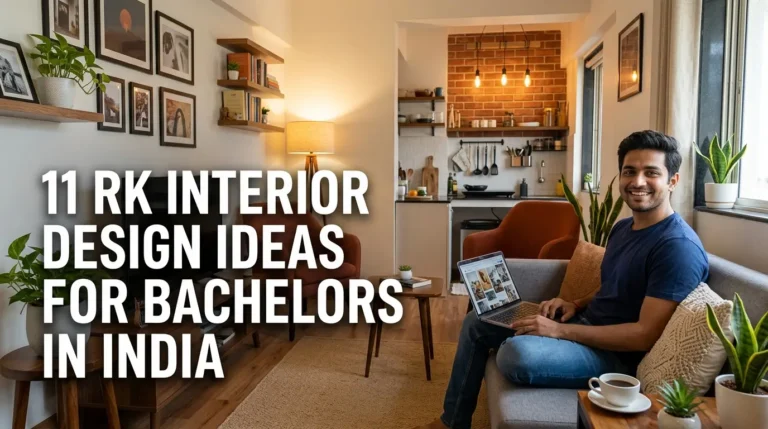
Simple Indian Middle-Class Home Interior Design Ideas

A simple, middle-class Indian home interior works best when it balances three things: daily practicality, easy maintenance, and a look that feels warm and “put together” without being expensive. With smart layout choices, a calm color palette, and a few high-impact upgrades, you can make a home feel bigger, brighter, and more comfortable without turning it into a renovation project that never ends. Below are straightforward interior design ideas that fit typical Indian apartments and homes, including 1BHK/2BHK/3BHK layouts, compact kitchens, and multipurpose living-dining spaces.
1. Start With a Light, Indian-Friendly Color Palette
Paint is the most budget-friendly way to refresh a home, and it makes a big difference in how airy the space feels. For most Indian homes (where dust is real and sunlight can be harsh), go for warm, light neutrals rather than stark white. Best “simple home” wall colors: off-white, ivory, light beige, soft greige, pale sand, very light grey with warm undertones. If you want color, use one accent wall only muted sage, dusty blue, terracotta blush, or a deep teal behind a sofa or bed. Skip multiple bright walls; it quickly looks busy in smaller rooms.
2. Make the Living Room Feel Larger With One Strong Focal Point
Most middle-class Indian living rooms have to do everything: TV room, guest seating, family hangout, even occasional floor seating. The easiest way to make it look designed is to choose one focal zone: TV wall or sofa wall. Simple upgrades that look premium: a clean TV panel (laminate or plywood with simple grooves), a floating shelf below the TV, or a single textured wallpaper panel behind the TV (use sparingly). Keep surrounding walls plain so the room looks calmer.
3. Choose Practical Seating That Still Looks “Finished”
Instead of matching heavy sofa sets with lots of carving, choose clean-lined seating with washable covers. A compact 3-seater plus one chair often works better than a bulky 5-seater. If you need more seating for guests, use two light poufs or stackable stools that can be moved around. Add one good sofa throw and 2–3 cushion covers in matching tones to instantly make the space feel styled.
4. Use Curtains to Add Height (Even in Low Ceilings)
Curtains are a big visual element in Indian homes. A simple trick: hang the curtain rod closer to the ceiling and let the curtains fall full-length to the floor. This makes the room look taller and more elegant. Choose breathable fabrics cotton-linen blends work well in most climates and are easier to maintain than heavy velvet. Colors that stay timeless: off-white, beige, light grey, soft pastel. If you want pattern, keep it small (thin stripes, subtle prints) so it doesn’t overwhelm.
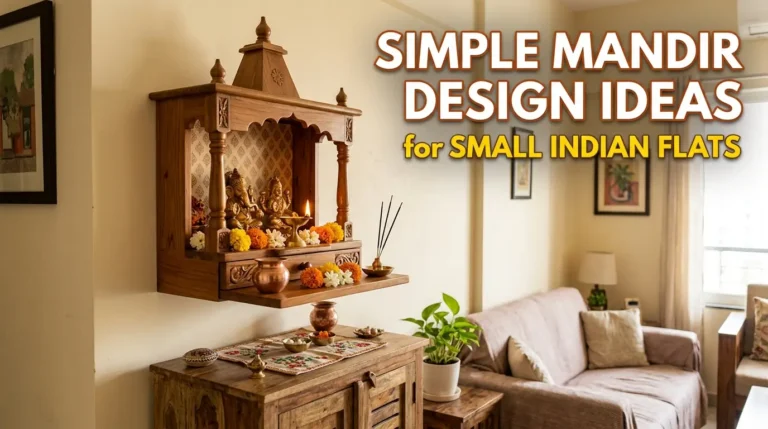
5. Create a Small, Respectful Pooja Corner Without Taking Space
You don’t need a full pooja room for it to feel special. A wall-mounted mandir, a compact wooden unit, or a niche shelf can work beautifully. Keep it clean and uncluttered: one diya space, a small drawer for essentials, and a simple backdrop (a brass panel, subtle wallpaper, or wooden slats). Warm lighting (a small spotlight or LED strip) makes the corner feel intentional without being flashy.
6. Add Storage That Doesn’t Look Heavy
The biggest design win in middle-class homes is hidden storage because fewer items on display instantly makes rooms look bigger. If you’re upgrading furniture, prioritize: bed with hydraulic storage, TV unit with closed cabinets, entry shoe cabinet with doors, sideboard in dining area to hold extra steelware/serving items. Choose simple shutters (plain laminate, not too glossy) and avoid too many open shelves unless you love styling and dusting.
7. Use a “Two-Layer Lighting” Setup for a Warmer Home
Many homes rely on one bright tube light, which makes everything look flat. Keep the bright ceiling light for cleaning, but add a second layer for comfort: warm LED in a floor lamp, wall light, or two bedside lamps. In the living room, even one warm lamp near the sofa changes the entire mood. Stick to warm white (around 2700K–3000K) for cozy areas and neutral white (around 4000K) for kitchens/study zones.
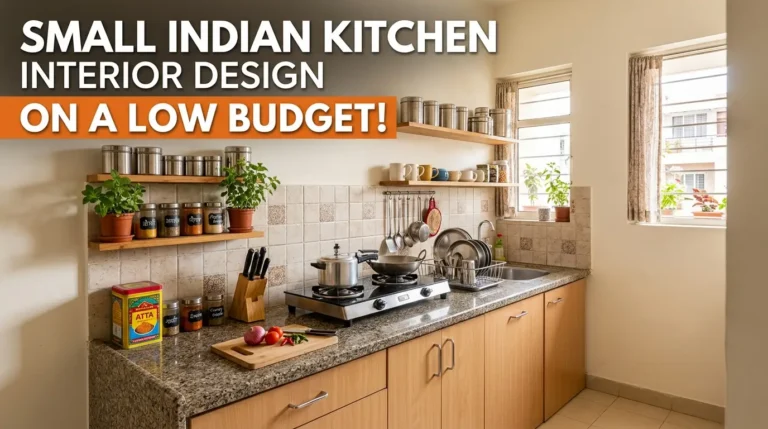
8. Simple Kitchen Design Ideas That Look Neat Daily
For an Indian kitchen, the goal is “easy to clean” and “everything has a place.” Quick improvements: add under-cabinet lighting for the counter, use a simple, light backsplash (subway tile style, small patterns, or plain glossy tile), install a tall unit or pantry shelves if possible, use drawer organizers for masalas and cutlery, and keep the counter as empty as possible (only daily-use items). If renovating is not possible, unify the look using matching storage containers and labels small change, big impact.
9. Dining Area: Keep It Compact, Clean, and Multi-Use
If your dining space is small, a 4-seater with a bench on one side saves space and feels modern. Put a mirror or simple wall art on the dining wall to make the area feel larger. If your dining is part of the living room, use a rug under the dining (easy-clean type) or a hanging light to visually separate the zone without adding partitions.
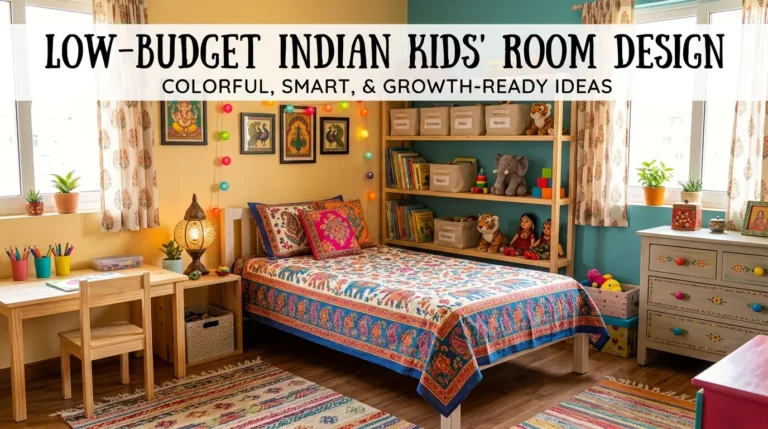
10. Bedrooms: Keep Them Calm, Not Crowded
A simple middle-class bedroom looks best when it’s restful. Choose one main color theme and repeat it across curtains, bedsheet tones, and cushion covers. Easy upgrades: a padded headboard (even DIY-style), two matching bedside tables, wall-mounted reading lights, and a full-length mirror inside or near the wardrobe. Avoid too many small decor pieces one large frame or two medium frames above the headboard looks cleaner than a gallery of many tiny items.
11. Entryway (Even a Small One) Should Have a Purpose
A neat entry makes the entire home feel organized. Add: a slim shoe cabinet, a few hooks for keys/bags, and a small tray for loose items. If possible, place a small mirror near the entrance it’s useful and makes the area look bigger. Keep this zone minimal, because it becomes cluttered quickly in real life.
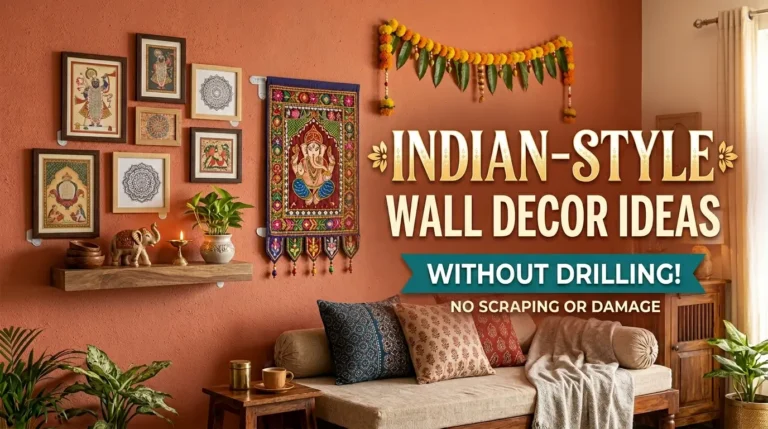
12. Use Indian Textiles as Your “Design Shortcut”
If you want a home to feel Indian and stylish without spending on expensive furniture, use textiles thoughtfully: cushion covers in ikat/ajrak-style prints (not too many), a neutral sofa throw, cotton rugs or dhurries, and simple bedsheets in coordinated colors. The key is repetition pick 2–3 colors and stick to them across rooms so the home looks cohesive.
13. Make One “Feature” Upgrade Per Room (Not Ten Small Ones)
To keep the budget in control, choose one noticeable upgrade per room. Examples: living room TV wall panel; bedroom headboard wall; kitchen backsplash + lighting; bathroom mirror cabinet + lighting. This approach prevents the space from looking half-done and helps you spend where it shows.
14. Keep Décor Minimal but Intentional
A simple home looks better with fewer, larger pieces than many small items. Add: one indoor plant (money plant, snake plant, areca palm), one statement wall art, and a clean center table tray. Avoid overcrowding shelves with many idols, souvenirs, and random showpieces rotate a few items seasonally instead.
A beautiful middle-class Indian home isn’t about expensive finishes it’s about smart space planning, easy-to-maintain materials, and a consistent color story. Start with paint and decluttering, then add storage, lighting, and one strong focal point in each room. The result is a home that feels comfortable for daily life, welcoming for guests, and easy to keep looking neat.
If you tell me 3 details, I’ll tailor this to your home
1) City/climate (humid, dry, coastal) 2) Flat size (1BHK/2BHK/3BHK) 3) Own or rent (whether permanent changes are possible)