Acoustic Wall Panel Ideas for Small Apartments
Small apartments come with their own set of challenges. Whether you’re living in a studio, a one-bedroom, or a compact two-bedroom unit, sound is almost always a problem. Thin walls, hard floors, and open layouts mean that every conversation, every footstep, and every notification from a neighbor’s TV finds its way into your personal space. And when you’re working from home, sleeping, or simply trying to relax, that constant noise can make even the most beautifully designed apartment feel uncomfortable.
The good news is that acoustic wall panels are no longer just for recording studios or large commercial spaces. They’ve evolved into stylish, functional design elements that work just as well in a 500-square-foot apartment as they do in a corporate office. And because they come in so many shapes, sizes, textures, and colors, they can actually enhance the look of your space while solving a very real problem.
Acoustic Wall Panel Ideas for Small Apartments
If you’re looking for ideas on how to incorporate acoustic panels into your small apartment, here are some of the best approaches you can take.
1. Bedroom Headboard Wall Treatment
The bedroom is where you need silence the most, and the wall behind your bed is one of the largest, most underutilized surfaces in a small apartment. Instead of leaving it blank or hanging a simple piece of art, covering it with soft acoustic panels creates a dramatic focal point while also absorbing sound from outside the room or from a shared wall with a neighbor.
Fabric-wrapped panels in neutral tones like charcoal, beige, or warm white work particularly well here. They add texture, warmth, and a layered visual depth to the room while cutting down on echo and outside noise. The result is a space that feels quieter, more intimate, and significantly more designed.
2. Living Room Feature Wall
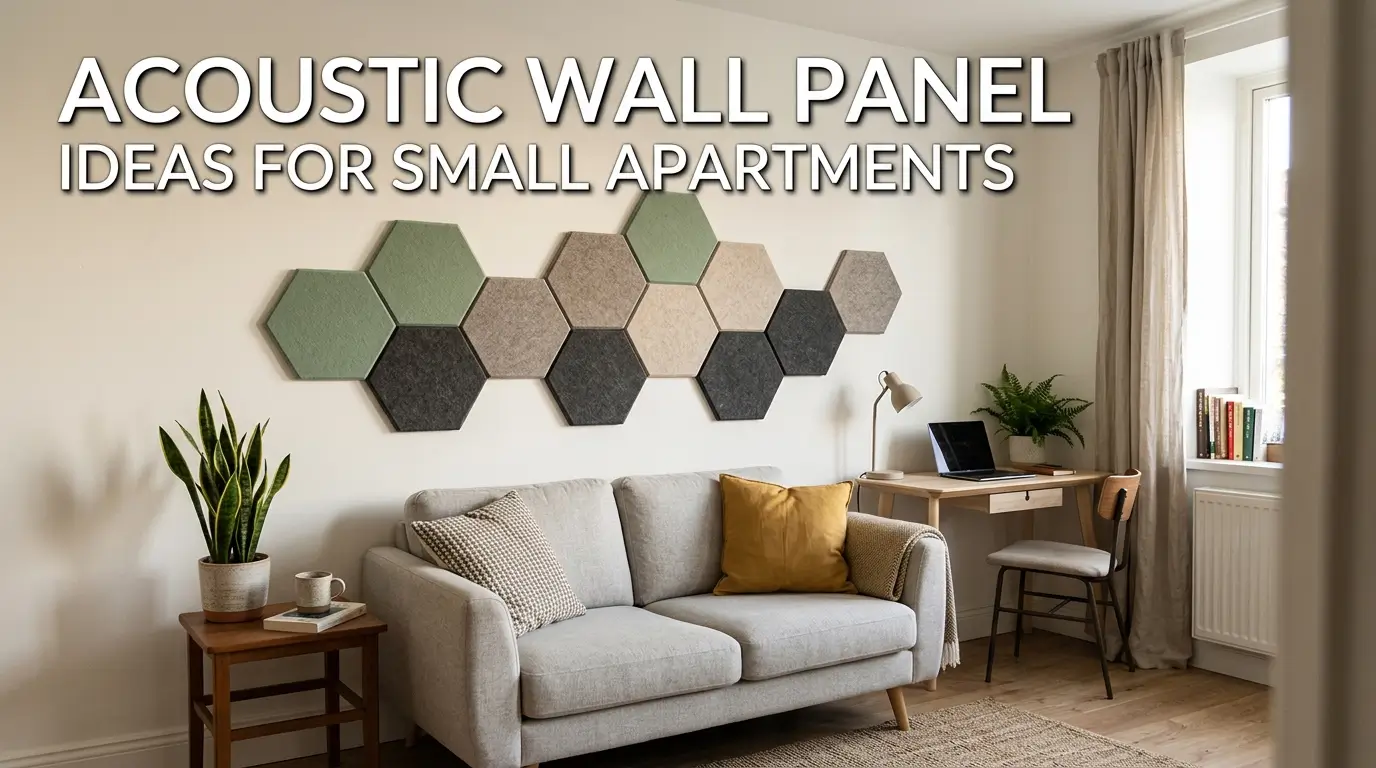
In a small apartment, the living room often doubles as a workspace, an entertainment area, and a place to host guests. This multi-purpose use means that sound management becomes critical. A feature wall covered in geometric acoustic panels not only helps absorb sound from the TV, music, or conversation but also acts as the visual anchor of the entire room.
Hexagonal foam panels, 3D wave panels, or flat fabric tiles arranged in a pattern can transform a plain wall into something that looks intentional and stylish. Choose colors that complement your furniture and you have a design element that solves an acoustic problem without looking like a solution at all.
3. Home Office Corner Setup
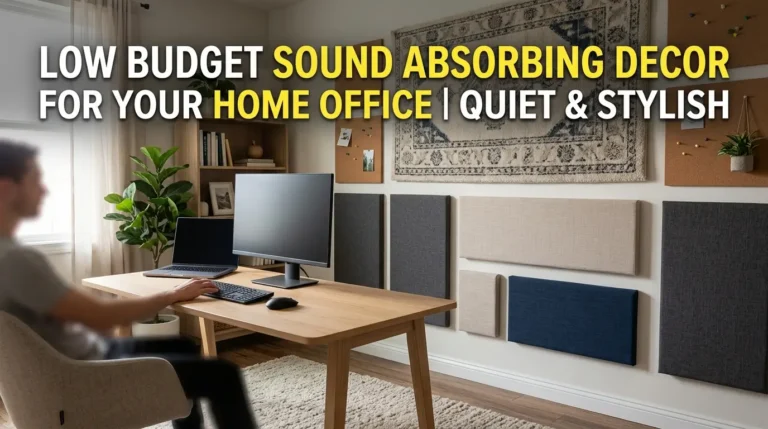
Working from home in a small apartment means that sound bleeds in from every direction. A neighbor’s dog, traffic from outside, or noise from the kitchen can make it nearly impossible to concentrate or take a professional video call. Lining the wall behind your desk or wrapping a corner of your home office area with acoustic panels creates a focused, quiet zone within an otherwise busy space.
This setup works especially well when you use panels that have a clean, minimal aesthetic. Flat panels in muted tones or simple geometric shapes keep the workspace looking professional while doing the heavy lifting of absorbing unwanted resonance. As an added bonus, they also improve the sound quality of your calls and recordings significantly.
4. Entryway Noise Buffer
The entryway is the first point of contact between the outside world and your personal space. It’s also one of the most acoustically neglected areas in a small apartment. Sound from hallways, stairwells, and neighbors passes directly through the front door and into your living space.
Adding a panel or two on the wall adjacent to your entryway creates a simple but effective sound buffer. Because entryways in small apartments tend to be narrow, a single tall panel or a small arrangement of panels can make a noticeable difference without taking up any floor space. It also gives the entryway a more finished, designed look that makes a strong first impression.
5. Dining Nook Sound Control
Many small apartments have a dining nook that sits right next to the kitchen or living area, making it a naturally noisy space. Hard surfaces like tiles, glass, and wood reflect sound and create an echo that makes even a quiet meal feel loud.
Placing acoustic panels on the wall beside or behind the dining area softens this effect considerably. It makes the space feel more intimate and better suited for conversation. Panels with a warm fabric finish or a natural wood veneer work especially well here because they add a sense of coziness that hard surfaces simply cannot achieve.
6. Studio Apartment Room Divider
In a studio apartment, the biggest challenge is creating defined zones without building actual walls. Freestanding acoustic panel dividers offer a clever solution to this problem. They physically divide the space into a sleeping area, a working area, and a living area, while also providing sound separation between those zones.
Because these panels are freestanding and movable, they give you the flexibility to reconfigure your layout whenever you need to. And because they absorb sound on both sides, they help keep each zone feeling like its own contained, quiet environment even when everything is happening just a few feet away.
7. Ceiling-to-Floor Panel Installations
When floor space is limited, going vertical is always a smart strategy. Installing acoustic panels from ceiling to floor on one wall of your apartment creates a dramatic, immersive design statement while maximizing the surface area available for sound absorption.
This approach works particularly well in living rooms and bedrooms where a single bold wall treatment can define the character of the entire space. Slatted wood acoustic panels or layered fabric panels in varying shades of the same color create depth and visual interest while keeping the overall look cohesive and intentional.
8. Bathroom Echo Reduction
Hard bathroom surfaces create a sharp, unpleasant echo that makes the space feel harsh. While traditional acoustic foam is obviously not suitable for wet areas, there are moisture-resistant acoustic panels designed specifically for bathrooms.
These panels can be installed on the wall above the sink or behind the toilet to reduce the reflective quality of the space. They make the bathroom feel softer and more comfortable without compromising on hygiene or durability.
Choosing the Right Panels for a Small Space
The key to making acoustic panels work in a small apartment is choosing the right type, size, and placement for each area. Bulky foam panels that work well in a garage studio will feel overwhelming in a small living room. Instead, look for slim fabric-wrapped panels, slimline foam tiles, or decorative 3D panels that sit close to the wall and don’t eat into your already limited floor space.
Color and texture matter just as much as acoustic performance. Panels that blend into the wall create a seamless, quiet backdrop. Panels in a contrasting color or pattern become a design feature. Both approaches work, but the choice should be intentional and aligned with the overall aesthetic of your space.
Getting the Most Out of Acoustic Panels in Your Apartment
Acoustic wall panels are one of the most practical upgrades you can make to a small apartment. They reduce noise, improve the quality of your sound environment, and add a level of design sophistication that bare walls simply cannot match. Whether you need a quieter bedroom, a more focused workspace, or a living room that doesn’t feel like a reverb chamber, there is a panel solution that fits your space, your budget, and your style.
The key is to think of acoustic panels not as a technical fix but as a design tool. When chosen and placed with care, they do both jobs equally well.