Indoor Garden Ideas for Small Flats in India
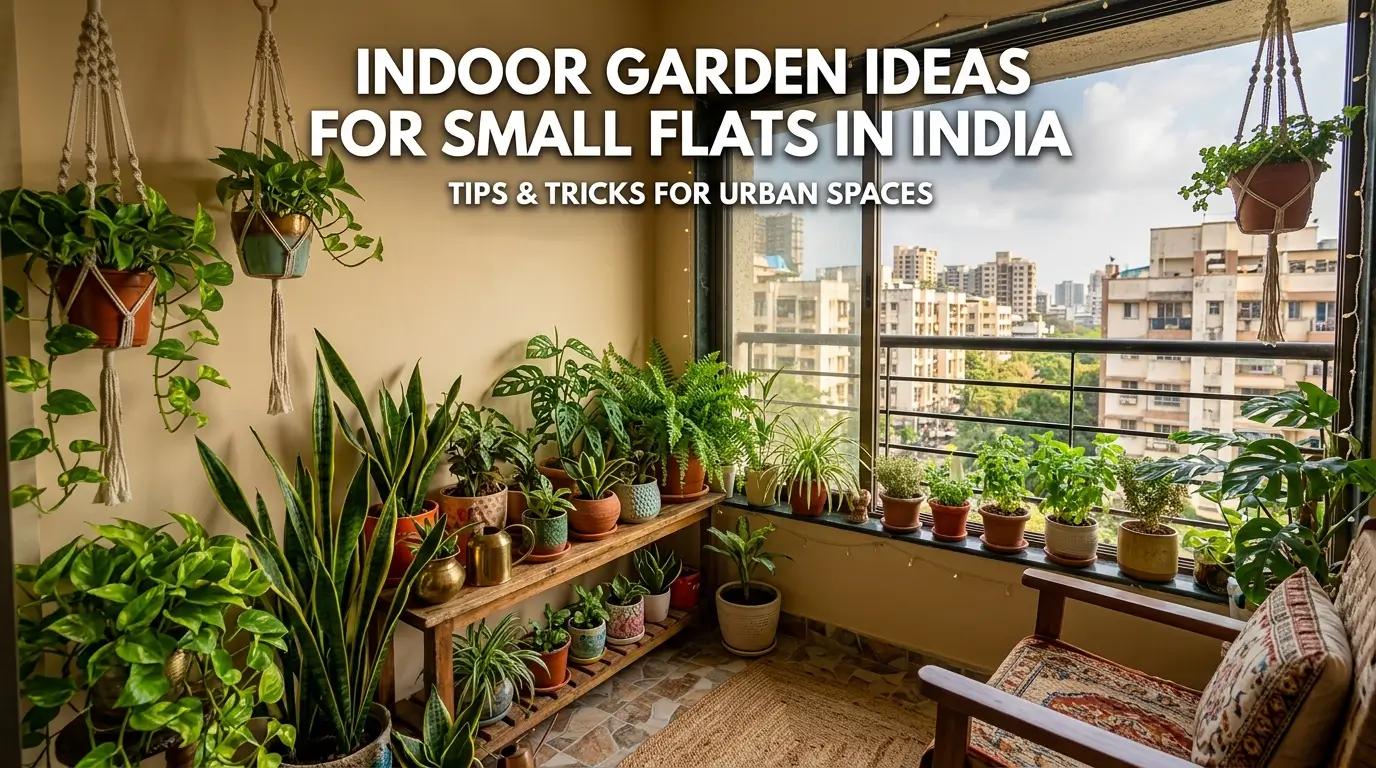
Small flats in India can feel like they’re always short on one thing: usable space. Between compact balconies, limited window sills, and rooms that serve multiple purposes, it’s easy to assume an indoor garden is a “nice idea” that never quite fits. But indoor gardening doesn’t require a spare room or a large terrace. With the right plant choices, smart placement, and a few space-saving setups, you can build a green corner that looks intentional, stays manageable, and actually thrives in Indian indoor conditions—heat, humidity swings, monsoons, and all. The key is to think vertically, use light wisely, and pick plants that match your home’s routine (and not the other way around). Below are indoor garden ideas designed specifically for small flats in India, from no-fuss window setups to statement green walls that don’t eat up your floor space.
1. Window Sill Herb Garden (Small Space, Big Payoff)
If you get even 2–4 hours of decent sunlight near a kitchen window, you can turn a narrow sill into a functional garden. Use 3–6 small pots in a row, keep them uniform for a cleaner look, and focus on herbs you’ll actually use. Great options for Indian kitchens include mint (pudina), coriander (dhaniya), curry leaves (kadi patta), tulsi, and green chillies. The trick is to avoid overcrowding—small flats can become humid, and tightly packed pots invite fungal issues. Keep a simple drip tray beneath them to protect the ledge and make watering easier.
2. Vertical Garden on a Blank Wall (Without Losing Floor Area)
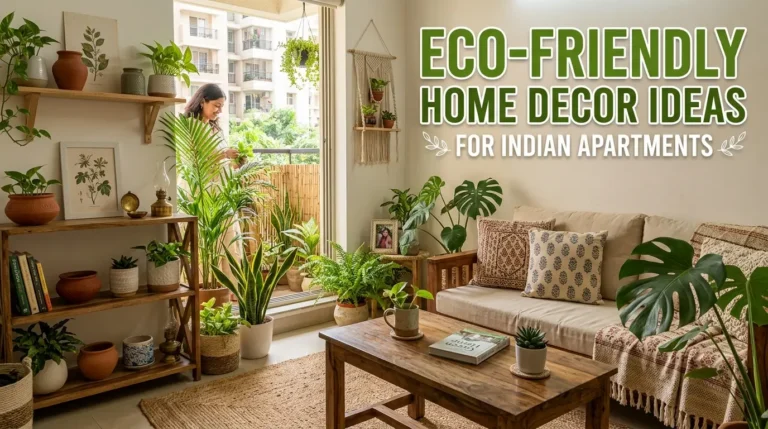
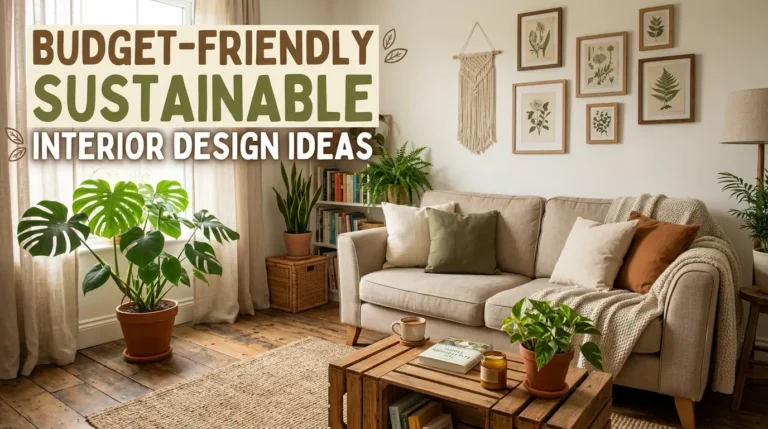
A vertical garden is one of the best solutions for a small flat because it turns dead wall space into a feature. You can use a wall-mounted planter grid, stacked pocket planters, or floating shelves with trailing plants. If you’re renting and don’t want drilling, lean a ladder shelf against the wall and hang lightweight planters from the rungs. Pothos (money plant), philodendron, spider plant, and tradescantia are ideal here because they grow quickly and look full without demanding perfect light.
Best placement
Near a bright window (not harsh direct noon sun), in the living room or dining area—somewhere you’ll see it often so it becomes décor, not clutter.
3. Balcony-to-Indoor Transition Zone (A “Green Entry” Look)
Many Indian flats have a small balcony that ends up as a utility zone. Instead of separating indoor and outdoor plants completely, create a transition: keep sturdier plants near the balcony door and low-light plants just inside. This makes the home feel greener without cramming everything into one corner. Try areca palm, rubber plant, or dracaena near the door for height, and place snake plant or peace lily just inside to handle slightly lower light.
4. Hanging Planters in Corners (Use Air Space, Not Surface Space)
Corners are often underused in small flats. A single ceiling hook and a good hanging planter can add greenery without taking up a table. Hanging plants also look “designed” instantly, which helps indoor gardens feel like part of the interior rather than an afterthought. Choose low-drip plants and line the planter properly, especially during monsoon humidity when watering mistakes take longer to dry out.
Easy hanging choices
Pothos (money plant), heartleaf philodendron, lipstick plant, and string-of-turtles (if you can give it brighter light).
5. The “Bathroom Jungle” for Indian Humidity
If your bathroom has ventilation and even modest light (a frosted window is enough), it can become a surprisingly good plant zone—especially in coastal cities or humid months. Bathrooms give plants the humidity many indoor spaces lack, and they’re often visually plain, so plants add instant warmth. Go for peace lily, pothos, ferns (if you can keep them consistently watered), and lucky bamboo in water for an ultra-low effort option.
6. A One-Shelf Indoor Garden (The Minimalist Starter Setup)
If you want greenery but don’t want your flat to feel crowded, dedicate one shelf only. One shelf forces you to curate, and it keeps your indoor garden from “spreading” across every surface. Use 5–7 plants max, vary heights, and keep the pots cohesive (terracotta for a natural look, or matte ceramic for a modern look).
A balanced shelf mix
- 1 tall plant: snake plant or dracaena
- 2 medium plants: pothos on a moss stick, peace lily
- 2 trailing plants: philodendron or money plant
- 1 accent: a small succulent (only if you have strong light)
7. Indoor Planters that Double as Décor (Side Table + Plant)
When floor space is limited, furniture that carries plants works better than adding separate stands. Look for side tables with a planter slot, nesting tables with room for pots underneath, or a sturdy stool that becomes a plant pedestal. This is especially effective in living rooms where you want greenery, but you can’t spare a full plant rack.
8. Low-Light Plant Cluster for Flats with Limited Sun
Not every flat gets generous sunlight—especially those facing other buildings. In that case, stop fighting the light and build your garden around plants that tolerate it. A cluster of low-light plants in matching pots can still look lush and intentional. Keep them near the brightest spot available (often near a north/east window), rotate them every week or two, and wipe dust off leaves so they can photosynthesize properly.
Strong low-light options
Snake plant, ZZ plant, pothos, peace lily, aglaonema, cast iron plant (if available).
9. Micro Greens & Sprouts Station (Fresh Greens Without “Plant Care”)
If you want the benefits of growing something without maintaining long-term houseplants, create a microgreens/sprouts station. This works well in small Indian kitchens because it’s fast, clean, and functional. Use shallow trays or repurposed containers, and grow fenugreek (methi), mustard, moong, or sunflower microgreens. You’ll harvest in days, not months—and you won’t need large pots or heavy soil.
10. A Statement “Big Plant” Instead of Many Small Ones
In a small flat, too many tiny pots can start to look messy. One larger plant in a good pot often looks more premium and takes less mental effort to maintain. Pick something that can handle indoor conditions and won’t drop leaves constantly. Rubber plant, areca palm, or a well-trained money plant on a moss stick can anchor a corner and make the whole room feel greener.
11. Use Self-Watering Pots for Busy Schedules (Especially in Summer)
Indian summers can dry pots quickly, and watering frequency is where most indoor gardens fail. Self-watering planters (or simple DIY wick systems) are ideal for small flats because they reduce daily maintenance and help plants stay stable during heat waves. They’re also helpful if you travel often or forget to water consistently.
12. A Tiny Indoor Water Garden (For a Calm, High-Impact Look)
If you want something different from typical pots, a small water garden can be a striking feature. A glass bowl with lucky bamboo, pothos cuttings, or peace lily roots in water is simple, clean, and works well in low light. Just change the water regularly and keep it away from harsh direct sun to prevent algae.
Keeping an Indoor Garden Healthy in Small Indian Flats
A small indoor garden works best when it’s designed around real conditions: your light, your ventilation, your schedule, and your tolerance for maintenance. If you’re choosing between “pretty” and “practical,” go practical first—healthy plants always look better than stressed ones. Focus on a few reliable varieties (money plant, snake plant, peace lily, philodendron), keep pots cohesive so your space looks tidy, and build upward with vertical or hanging options instead of filling your floor. With a handful of smart choices, even a compact flat can feel brighter, calmer, and more alive—without turning into a daily chore.
Want Ideas Tailored to Your Flat?
Tell me your city (for climate), whether you have a balcony, and which direction your main window faces (east/west/north/south). I’ll suggest a plant list and a layout that fits your light and space.