Biophilic Design Ideas for a 1 BHK Flat
A 1 BHK flat has to do a lot with a little: it’s your living room, dining space, work zone, and retreat—often all within the same sightline. That’s exactly why biophilic design works so well in smaller homes. It brings in the calming patterns, textures, light, and living elements we naturally respond to, without needing extra square footage. Whether you want a fresher-looking living room, a more restful bedroom, or a kitchen that feels less “boxed in,” the following biophilic design ideas can help you build a home that feels grounded, bright, and breathable.
1. Start With “Green Sightlines” (What You See First)
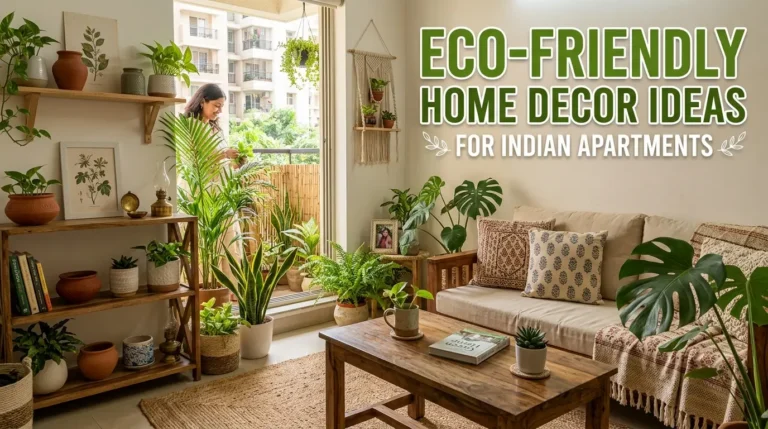
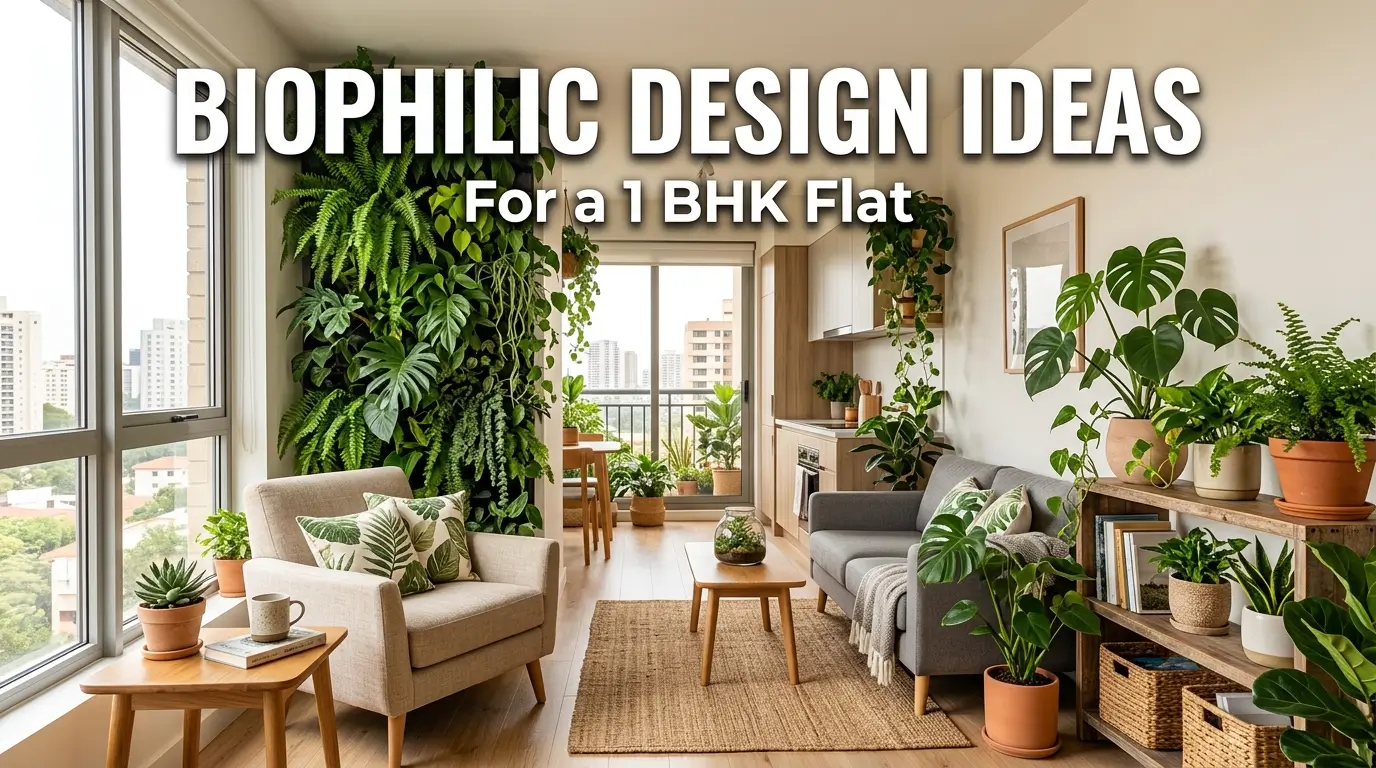
In compact homes, the first view matters because you don’t have many secondary focal points. Set up one or two “green anchors” that you can see from multiple spots—like the sofa, bed, and entry. A tall plant near the TV unit, a cluster of plants by the balcony door, or a narrow plant stand beside the dining/work table can instantly soften the whole layout and make the flat feel more expansive.
2. Use Vertical Greenery to Save Floor Space
When floor space is limited, go up. A wall-mounted planter rail, a vertical garden panel on a balcony wall, or a few sturdy hooks for hanging plants can deliver the biophilic look without cluttering walkways. If you’re renting, use removable wall hooks, tension rods near windows, or ladder-style plant stands that lean on the wall—no drilling required.
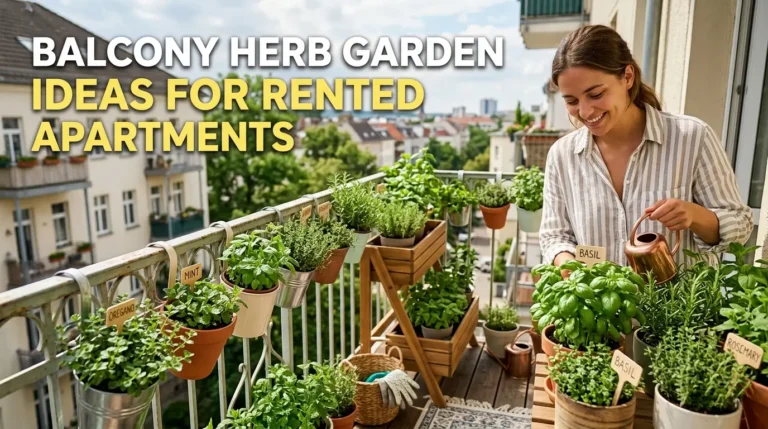
3. Turn the Balcony Into a Micro-Garden
Even a small balcony can become the most restorative “room” in your home. Use narrow planters along the railing, a foldable chair, and one statement plant (like an areca palm or rubber plant) to create a green corner that feels intentional. Add a jute rug or wooden deck tiles to shift it from “utility space” to “nature nook,” and use warm outdoor string lights to keep it inviting after sunset.
4. Maximize Natural Light With Sheer Layers
Biophilic design is as much about light as it is about plants. In a 1 BHK, heavy curtains can make rooms feel smaller and darker. Swap to a two-layer approach: sheers for daytime and blackout curtains for night. This keeps the flat bright and airy while still giving you privacy and good sleep. Place mirrors opposite windows (or slightly angled) to bounce daylight deeper into the space.
5. Choose a Nature-Led Color Palette (But Keep It Simple)
Small spaces look best with a controlled palette. Biophilic color choices tend to come from nature: warm whites, sand, clay, soft greys, olive, sage, deep green, and muted blues. Use a light neutral base for walls and large furniture, then add nature tones through cushions, throws, art, and planters. This keeps the space open while still delivering that grounded, “outdoors-in” mood.
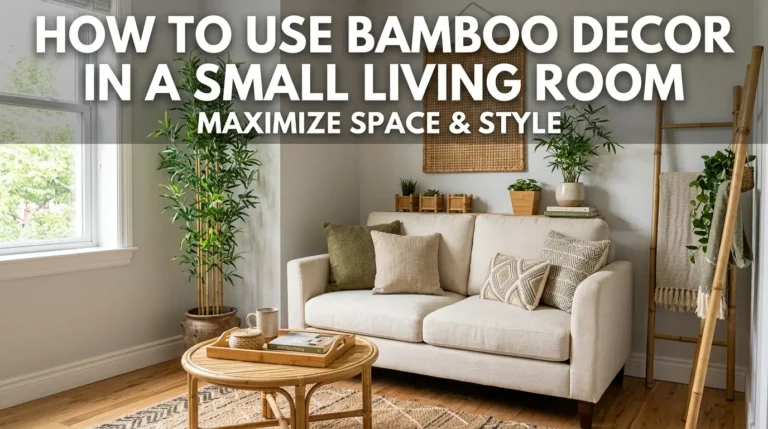
You don’t need more objects—you need better materials. Bring in texture through rattan, cane, bamboo, linen, cotton, jute, seagrass, and real wood finishes. A cane-front cabinet, rattan pendant light, woven basket for storage, or a jute runner can add the warmth of nature without visually shrinking the room the way busy décor often does.
7. Create a “Plant Shelf” Near Your Brightest Window
Instead of scattering plants randomly, concentrate them where they’ll thrive and where they’ll look like a design feature. A slim console, a window ledge extension, a floating shelf, or a multi-tier plant stand near the best light can become a mini indoor garden. Group plants at different heights and leaf shapes so it feels layered, like a natural ecosystem rather than a lineup.
8. Use Planters That Match the Home’s Architecture
Biophilic design looks elevated when the planters feel cohesive. In a 1 BHK, visual clutter shows quickly, so pick 2–3 planter styles and repeat them. Terracotta for warmth, matte ceramic for a modern look, or textured cement planters for an earthy vibe all work well. Keep saucers consistent so you don’t end up with mismatched plastic trays everywhere.
9. Bring in “Soft Nature” Through Botanical Prints (Without Overdoing It)
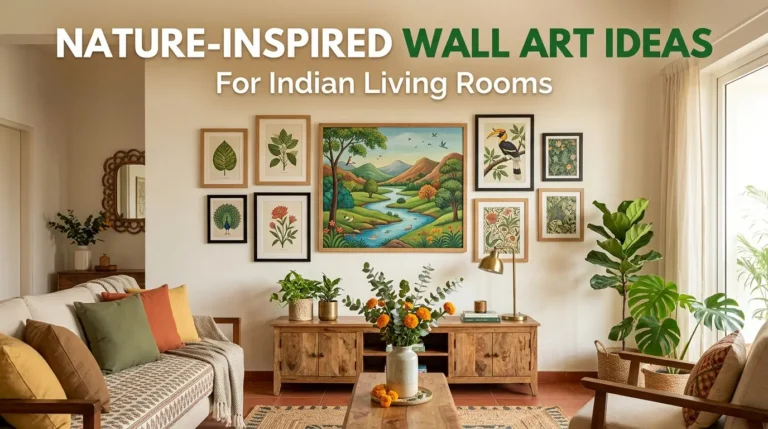
If your flat doesn’t get enough light for lots of plants, or you want a lower-maintenance approach, add nature through prints and patterns. Botanical art, leafy cushion covers, floral linen bedding, or a subtle palm-print wallpaper on one accent wall can create the effect without needing constant care. The key in small spaces is scale—choose fewer, larger statements rather than many small scattered prints.
10. Upgrade Your Air and Scent the Natural Way
Biophilia is also sensory. Add a gentle natural scent (eucalyptus, cedar, lavender) through essential oil diffusers or dried herbs, and keep air moving with a fan or by creating cross-ventilation when possible. If outdoor pollution is an issue, a good air purifier can support the “fresh, breathable” feel that biophilic spaces are known for—especially in bedrooms.
11. Build a Bedroom That Feels Like a Retreat
Your bedroom is the easiest place to lean into biophilic calm. Use breathable bedding (cotton or linen), warm bedside lighting, and one or two plants that tolerate lower light. Swap harsh whites for warm neutrals, and add wood tones through side tables or a headboard. Even a small change—like a nature-inspired artwork above the bed—can make the room feel more restful.
12. Add Water-Inspired Elements for Quiet, Spa-Like Energy
If an indoor fountain feels like too much, take the softer route: glass, ceramics, and wave-like textures in rugs or art can bring in that “water” feeling without adding maintenance. In the bathroom, use pebble trays, bamboo accessories, and a plant that enjoys humidity (if you have a window) to make it feel less purely functional.
13. Make Your Dining/Work Corner More “Garden Café” Than “Office”
Many 1 BHK flats use the dining table as a workspace. To keep it from feeling sterile, anchor the zone with a plant stand nearby, a natural-fiber pendant light above, and a simple wooden or cane chair. A small tray with a plant, a coaster set in cork, or a linen runner can shift the vibe from “work mode” to “easy living,” even if the square footage stays the same.
14. Use Biophilic Lighting in the Evenings
When daylight fades, the wrong lighting can flatten everything. Warm ambient light (around warm white tones) makes natural textures—wood grain, woven rugs, leaf shapes—look richer. Use floor lamps and table lamps instead of relying only on ceiling lights. If you can, add one directional light that highlights a plant cluster or textured wall, like a mini indoor landscape.
15. Keep It Minimal, Not Empty—Let Nature Be the Feature
The biggest biophilic win in a 1 BHK is restraint. Instead of filling every corner, leave breathing room so your plants, textures, and light can stand out. A few healthy plants and a consistent natural palette will look more “biophilic” than dozens of struggling plants in random pots. Think curated greenery, not cluttered greenery.
Easy Plant Picks for Most 1 BHK Flats
If you want a simple starter list, choose plants that are forgiving and look good year-round: snake plant, pothos, ZZ plant, rubber plant, peace lily, spider plant, and areca palm (if you have brighter light). Combine one tall floor plant, one trailing plant, and 2–3 tabletop plants for a balanced, layered look.
Bring Biophilic Design Into Your 1 BHK—One Zone at a Time
You don’t have to “redo” the whole flat to make it feel more natural. Start with the area you use most—usually the living room or bedroom—then build outward: better light, fewer but stronger natural materials, and greenery placed where it thrives. In a compact home, each small change is multiplied because you experience it from every angle. If you’d like, tell me your flat’s approximate size, which direction your windows face, and whether you have a balcony—I can suggest a room-by-room layout with specific plant placements and décor swaps.