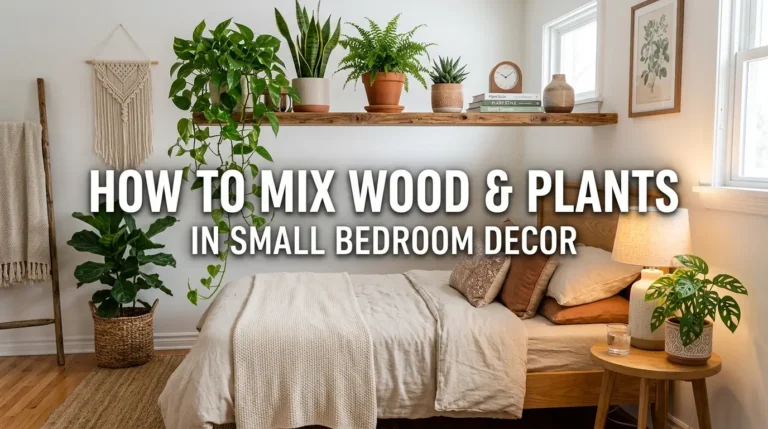
Natural Material Home Decor Ideas for Indian Homes

Indian homes are naturally suited to warm, tactile décor—spaces where you sit on the floor, entertain often, and move between busy, noisy streets and calmer interiors. Natural materials help you create that sense of grounding instantly. They also age beautifully, handle our love of layered textures, and pair well with everything from contemporary apartments to heritage bungalows. If you want your home to feel richer without feeling “overdone,” the easiest way is to swap a few key finishes—plastic, high-gloss laminates, overly shiny décor—for materials that look like they came from the earth: wood, cane, rattan, jute, cotton, clay, stone, and brass. Here are practical, high-impact ideas you can use room by room.
1) Cane and rattan accents that don’t overwhelm
Cane is already part of Indian design language, but it’s being used in smarter, lighter ways now. Instead of committing to a full cane sofa set, introduce it in smaller, more flexible pieces: a cane lounge chair in a bedroom corner, rattan bar stools at a kitchen peninsula, or a cane-front console in the foyer. In compact homes, cane works especially well because it adds texture without adding visual weight—the weave keeps things airy even when the furniture has a larger footprint. If you’re in a humid city, choose well-seasoned frames and keep cane out of direct balcony rain exposure so it doesn’t warp.
2) Solid wood where it matters most (not everywhere)
You don’t need an all-wood home to get the warmth of wood. Use it where your eyes and hands go often: a solid wood coffee table, a dining tabletop, or a bed with a wooden headboard. In Indian homes, the living room table takes a lot of use—tea cups, snacks, board games, feet on the edge—so a sturdy wood top ages better than veneer. For a modern look, mix clean-lined wood furniture with simple upholstery, then add one traditional element (like carved legs or a fluted edge) so it feels Indian without becoming heavy. If you’re mixing woods, keep undertones consistent: warm teak tones with warm beiges and creams; deeper walnut tones with charcoal, indigo, or bottle green.
3) Jute rugs that soften echo and add instant “home”
Jute is one of the easiest natural upgrades for Indian apartments, especially those with vitrified tile or marble floors. A flatweave jute rug under the coffee table instantly reduces that empty-room echo and gives the space a grounded, resort-like feel. If you’re worried about prickliness, layer: place a jute rug as the base and add a smaller cotton dhurrie or handwoven rug on top where you sit. For homes with kids, choose darker, mélange jute that hides dust and doesn’t show every mark. Keep jute away from areas that get wet often (right at the sink) and instead use it in living rooms, bedrooms, and under dining tables where it shines.
4) Cotton and linen textiles in Indian-friendly layers
Natural décor isn’t only furniture—it’s the “soft architecture” of your home. Swap overly shiny curtains for cotton or linen blends that fall well and diffuse sunlight gently. In Indian lighting conditions, this matters: harsh afternoon sun becomes softer, and evening lights look warmer. Add cushion covers in handloom cotton, striped ticking, or subtle block prints to keep things breathable and easy to wash. For bedrooms, a cotton bedcover with a light quilt (rather than heavy synthetic comforters year-round) feels more natural and better suited to most Indian climates. The trick is layering: one neutral base (cream/ivory), one texture (slub cotton or linen), and one accent print (block print, ikat, or ajrakh-inspired motifs) to make it feel intentional.
5) Terracotta and clay décor that looks curated, not craft-corner
Terracotta can look either stunning or messy depending on how it’s grouped. Instead of scattering small clay items everywhere, create one strong moment: a set of two to three terracotta planters in a balcony corner, a single large matka-style vase in the living area, or a row of clay diyas on a stone tray for festive days. Clay also works beautifully in the kitchen—think storage jars for dry snacks or a terracotta water dispenser if you use one. Choose one tone family (classic red terracotta or a smoked/black clay) and repeat it so it reads like design, not clutter.
6) Stone trays and marble accents for an Indian-luxe base
Stone is a natural fit for Indian homes because it connects with traditional materials while still feeling premium. Use marble or natural stone trays to organize everyday items: a tray on the console for keys and wallets, one on the dining table for a centerpiece, or one in the bathroom for perfumes and skincare. If your home already has marble flooring, bring in contrast—soapstone, slate, or textured granite—so the look doesn’t become too matchy. Stone coasters are also a small change that makes a home feel more “put together,” especially when guests come over.
7) Brass and copper that patina beautifully over time
While metal isn’t always seen as “natural,” brass and copper are perfect for Indian décor because they develop character instead of looking worn out. Add them in functional ways: brass diyas, a brass bowl for floating flowers, copper tumblers on open shelves, or simple brass-framed mirrors. In pooja areas, brass instantly elevates the space and looks timeless. If you don’t want the shine, choose pieces with brushed or antique finishes. Keep it balanced—one or two warm-metal elements per room is usually enough.
8) Indoor plants with natural planters and baskets
Indian homes love plants, but the pot choice makes all the difference. Upgrade plastic planters into terracotta, clay, ceramic with earthy glazes, or woven baskets (with a hidden liner pot inside). Use plant stands in wood or wrought iron if you need height without crowding surfaces. For low-light apartments, pick hardy plants like pothos, ZZ plant, snake plant, or peace lily, and let the planter be the decorative hero. A cluster of three plants—tall, medium, trailing—creates a lush corner that feels more like interior styling than “random pots.”
9) Woven storage that keeps your home looking calm
Natural-material décor works best when the home is visually calm, and storage is how you get there. Use seagrass or jute baskets for throws, kids’ toys, laundry, or extra cushions. In Indian living rooms where blankets, newspapers, chargers, and remotes accumulate quickly, one large woven basket can clean up the entire space in seconds. In bedrooms, woven trunks at the foot of the bed give you both storage and a textured statement.
10) Handcrafted wall décor: wooden art, macramé, and textile panels
Instead of mass-printed art, consider natural wall pieces that add depth: a carved wooden panel, a handwoven textile wall hanging, macramé for boho corners, or even framed block-printed fabric. In Indian homes, walls can look busy quickly, so keep it simple: one statement piece above the sofa or bed, then let the rest of the wall stay breathable. If you want a more Indian-classic look, pair a wooden panel with a subtle brass picture light above it to make it feel gallery-like.
11) Natural lighting choices: jute, cane, and linen shades
Lighting is one of the fastest ways to make natural materials feel deliberate. Swap harsh white tube-heavy lighting with warm ambient layers: a floor lamp with a linen shade, a pendant with a cane/jute shade over the dining table, or wall sconces with fabric diffusers in corridors. Natural shades soften light and hide glare, which is especially helpful in reflective tile-floor homes. Even one woven pendant can change the mood of a room more than adding multiple small décor items.
12) Indian entryway upgrades using natural textures
Your entryway sets the tone. Add a wooden bench or slim console, a jute runner, a cane basket for umbrellas, and a stone tray for keys. If space allows, place a terracotta pot with a hardy plant near the door. This creates a welcoming transition from outside dust and noise to a calmer interior. If you do rangoli or festive décor, a natural-material base (stone tray, brass diya stand) makes seasonal styling easier and less chaotic.
13) Mix natural materials with Indian colors (the right way)
Natural décor doesn’t mean everything has to be beige. Indian homes look best when earthy textures support richer colors. Try: jute + indigo cushions, cane + deep green curtains, wood + terracotta + off-white walls, or brass + maroon accents in a pooja corner. Keep the palette controlled: choose one main color and one accent, then let materials do the rest. This approach keeps your home feeling Indian and lively while still grounded and modern.
14) Small swaps that deliver big results quickly
If you want the natural look without a full makeover, start with swaps that don’t require carpentry: replace cushion covers with cotton handloom, add a jute rug, switch plastic organizers to woven baskets, introduce a wooden tray on the coffee table, and add one terracotta planter. These changes build a natural-material “story” across the home—so it feels cohesive, not like a few random rustic pieces.
Bringing it all together: a simple natural-material formula
The easiest way to make natural materials feel intentional in an Indian home is to repeat them. Pick 3–4 materials (for example: wood + cane + jute + brass), and make sure each room has at least two of them. Keep your largest surfaces calm (walls, floors, major furniture), then add texture in layers through textiles, lighting, and storage. That’s how you get a home that feels warm, lived-in, and distinctly Indian—without looking crowded.